
How to Clean Coffee Grinder Hopper: Practical Cleaning Guide for 2026
Learn how to clean coffee grinder hopper to remove rancid oils and preserve bean freshness with practical maintenance steps for November 2026.
 By Peter Giuliano
Updated November 9, 2026
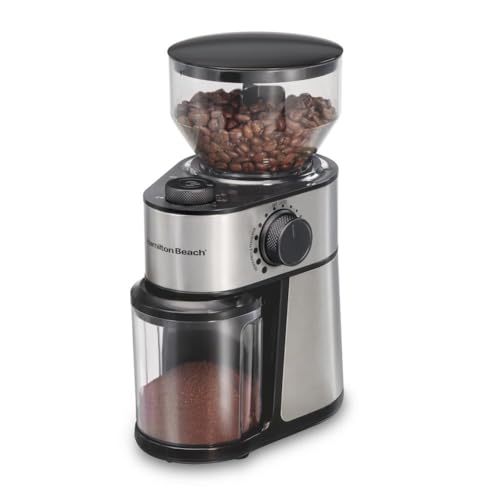
Whole coffee beans naturally release organic lipids and volatile oils during the roasting process, especially when dealing with medium to dark roast profiles. Over several weeks of daily brewing, these sticky residues coat the inner plastic walls of your bean container and gradually turn rancid through oxidation. Learning how to clean coffee grinder hopper prevents these stale, oxidized oils from contaminating fresh specialty beans before they ever reach the burr chamber. A neglected bean reservoir not only harbors stale odors but also attracts airborne dust and chaff particles that interfere with smooth bean feeding into the grinding mechanism.
Consistent hopper hygiene protects your cup quality while ensuring your equipment operates without mechanical feed issues. Grinders featuring expansive bean reservoirs, such as popular large-capacity home coffee grinders, accumulate notable oil films across their smooth acrylic surfaces if left unwashed. Maintaining clean bean contact surfaces safeguards delicate tasting notes, prevents beans from sticking to chamber walls, and creates a pristine brewing environment for every morning brew. Establishing a routine cleaning cadence ensures that your whole-bean storage remains completely odor-free and ready for fresh roasts.
| Award | Product | GCG Score About GCG ScoreThe GCG Score is our own rating from 0 to 10, based on performance, design and build, ease of use, and value. It reflects independent research and is never influenced by manufacturers, retailers, or affiliate commissions. Learn more › | |
|---|---|---|---|
| Best Overall |
Hamilton Beach Electric Burr Coffee Grinder
|
9.2/10 | Buy |
| Best Value |
 Roobi Coffee Grinder Cleaning Tablets (500g) |
8.8/10 | Buy |
Hamilton Beach Electric Burr Coffee Grinder
Engineered for fresh whole bean preparation, the Hamilton Beach Electric Burr Coffee Grinder offers 18 grind settings and a 16 oz hopper to support everything from espresso to coarse French press brewing. It is a practical, value-focused choice for morning drip drinkers and everyday batch brewers looking to upgrade from pre-ground coffee.
Pros
- 18 grind adjustments provide versatile milling for drip coffee makers, pour-over drippers, and French press pots
- Spacious 16 oz hopper stores up to two cups of whole beans for convenient multi-cup morning batch grinding
- Top burr removes quickly for straightforward maintenance with the supplied soft-bristle cleaning brush
- Snap-on lid on the grounds container minimizes stray coffee grounds and counter mess during pouring
Cons
- Plastic grounds container may generate minor static cling that holds onto lightweight coffee chaff and fines
- Oily dark roast beans may require more frequent hopper and burr brushing to prevent oil accumulation
- Fine grind settings may not achieve the micro-adjustability required for unpressurized commercial espresso baskets
Roobi Coffee Grinder Cleaning Tablets (500g)
Designed for both home baristas and commercial setups, these food-safe pellets purge built-up coffee oils and stale grounds without requiring grinder disassembly. The 500-gram tub delivers up to 14 routine maintenance cycles using an odorless, carbon-neutral formula.
Pros
- Eliminates the need for manual grinder disassembly
- Food-safe, vegan ingredients leave no odor or aftertaste
- Maintains burr performance and grind consistency
- Eco-friendly carbon-neutral formula with recyclable packaging
Cons
- Yields only 14 cleanings per 500g tub
- Bulky 1.1-pound container takes up counter space
Essential Methods for Maintaining a Clean Coffee Grinder Hopper
Keeping a coffee grinder bean hopper spotless is one of the simplest yet most effective habits in specialty coffee preparation. A clean hopper ensures that fresh whole beans slide smoothly toward the burrs without dragging stale, oxidized residue into your daily brew. Addressing grease buildup promptly preserves delicate flavor notes, protects plastic components from clouding, and keeps your entire grinding workflow hygienic.
Why Coffee Oils Accumulate and Spoil Bean Quality
Coffee beans are complex organic seeds packed with volatile aromatic compounds, lipids, and soluble solids. During the roasting process, heat causes internal moisture and carbon dioxide to expand, forcing natural coffee oils through the bean cell walls to the outer surface. Darker roasts exhibit heavier surface oils due to extended roasting time, whereas lighter roasts keep most lipids trapped within the internal cellular structure. As beans rest inside a hopper, these surface lipids transfer directly onto the plastic or acrylic walls of the container.
Once exposed to ambient air and room temperatures, coffee lipids undergo rapid oxidative degradation. The unsaturated fatty acids break down into rancid byproducts that produce harsh, stale, and unpleasantly sour aromatics. Fresh beans dropped into a greased hopper absorb these stale aromas, which immediately degrades cup clarity and masks subtle floral or fruity notes. Sticky oil deposits also trap flying chaff and micro-fines, creating a gummy film that impedes the steady gravitational feed of whole beans into the burrs.
Bean feeding issues directly influence grind consistency and shot extraction times. When oily residue lines the funneling throat of the hopper, beans can stick together or bridge across the inlet opening rather than dropping smoothly into the grinding teeth. This hesitation leads to inconsistent bean feed rates, causing burr popcorning and erratic particle size distribution. Routine hopper maintenance eliminates this friction, ensuring an uninterrupted flow of beans for predictable grind uniformity.
Safe Disassembly and Electrical Precautions Before Cleaning
Electrical safety must always be your top priority whenever you perform maintenance on motorized coffee equipment. Before attempting to detach the hopper or reach near the grinding chamber, always unplug the power cord from the wall outlet. Modern electric grinders often feature safety interlock switches that prevent the motor from engaging without the hopper seated, but relying solely on mechanical switches invites unnecessary electrical risk. Physically disconnecting power guarantees that moving burrs cannot accidentally activate during maintenance.
After unplugging the appliance, close the bean shut-off gate if your grinder includes one, or tilt the machine carefully to empty remaining whole beans into an airtight container. Inspect the locking mechanism that secures the hopper to the motor housing. Many grinders utilize a twist-and-lift bayonet mount, while others employ threaded collar assemblies or release tabs. Forcing a stubborn hopper can snap delicate plastic alignment tabs or damage internal safety micro-switches, so consult your product manual to confirm the correct removal motion.
Set aside removable components like hopper lids, rubber gaskets, and anti-popcorn discs on a clean, soft towel to prevent surface scratching. Take note of any electronic sensors or metallic contact pins located around the hopper base collar. These electronic connections communicate with the grinder control board and must remain completely dry and free from cleaning fluids. Keeping moisture away from the electrical housing protects internal circuitry from short circuits and corrosion.
Manual Washing Techniques for Removable Bean Hoppers
Washing a detached bean hopper by hand is the safest and most effective method for removing stubborn coffee grease. Fill a clean sink or basin with lukewarm water and add a few drops of mild, unscented dishwashing liquid. Avoid heavily scented detergents because porous plastics can easily absorb artificial floral or citrus aromas, which later impart chemical scents to your coffee beans. Submerge the detached plastic hopper, lid, and bean gate into the soapy water bath.
Use a soft microfiber cloth or a non-scratch sponge to gently wipe down all interior and exterior surfaces. Never use abrasive scrubbing pads, wire brushes, or scouring powders on plastic hoppers. Transparent plastics like acrylic and polycarbonate scratch easily when scrubbed with coarse materials. Microscopic scratches not only give the hopper a cloudy, worn appearance but also create tiny crevices where coffee oils and stale grounds lodge permanently.
Pay particular attention to the narrow throat and bean shut-off slide at the bottom of the hopper, where dense oil films accumulate. Use a soft bottle brush or a damp cloth wrapped around a finger to reach into these tight contours. Once all oily slickness is gone, rinse the components thoroughly under clean, running lukewarm water to wash away every trace of soap foam. Lingering soap residues will taint the flavor of your whole beans and degrade crema formation in espresso brewing.
Drying the hopper completely is vital before reattaching it to the grinder base. Water droplets that enter the grinding chamber can cause steel burrs to oxidize, rust, and dull rapidly. Wipe the hopper thoroughly with a clean, lint-free microfiber cloth, then leave it upside down on a drying rack for at least several hours to air dry completely. Inspect the narrow collar grooves and latching tabs for trapped moisture before locking the hopper back onto your machine.
Cleaning Fixed Non-Removable Hoppers and Integrated Units
Certain coffee machines feature non-detachable bean hoppers that cannot be removed for sink washing. Many drip coffee makers with built-in grinders and compact all-in-one espresso machines incorporate hoppers built directly into the main chassis. Because these hoppers sit directly above sensitive electronic motherboards and electric motors, introducing running water or liquid soapy baths is strictly prohibited. Cleaning these fixed chambers requires a deliberate, moisture-controlled approach.
<nBegin by unplugging the coffee machine from the power source and emptying all loose whole beans from the chamber. Use a narrow crevice attachment on a handheld vacuum cleaner to suction out loose beans, stray chaff fragments, and ground particles resting at the bottom of the feed chute. A dry, soft-bristled brush works wonders for dislodging static-clung coffee dust from the corner seams without scratching the clear walls. Brushing downwards allows the vacuum to capture freed particulates quickly.
To dissolve sticky oil films without risking liquid drips, dampen a clean microfiber cloth with a very mild solution of warm water and dish soap, wringing it out until it is barely damp. Carefully wipe down the interior walls, working from the top opening down toward the throat. Immediately follow with a second cloth dampened only with fresh water to wipe away soap traces. Finally, dry the entire plastic interior with a dry microfiber cloth, leaving the hopper lid open for several hours to guarantee zero residual moisture before refilling with beans.
Using Grinder Cleaning Tablets for Internal Chamber Maintenance
While manual washing addresses the visible hopper walls, oils inevitably migrate into the burr chamber and grinding chute. Specialized cleaning products like Roobi Professional Coffee Grinder Cleaning Tablets provide an effective way to remove internal coffee residues without requiring complete mechanical teardown. These formulated tablets run directly through the hopper into the grinding mechanism, absorbing rancid oils and dislodging compacted grounds trapped between cutting teeth.
Using cleaning tablets is simple and preserves mechanical calibration. First, clear all whole coffee beans out of the hopper and wipe down the interior plastic walls with a dry cloth. Adjust your grinder to a medium-coarse setting, then drop the recommended dosage of cleaning tablets into the empty hopper. Switch on the grinder to run the tablets through the system, watching as the compressed pellets break down into a fine, oil-absorbing powder that scrubs the burr faces and discharge chute.
After grinding the tablets, purge the machine by running a small handful of sacrificial coffee beans through the hopper. This purge step clears away any remaining tablet dust from the internal pathways so your next fresh brew remains completely untainted. Formulated with food-safe, vegan, and carbon-neutral ingredients, these tablets leave no odor or chemical aftertaste. Incorporating regular tablet cleanings alongside hopper wipedowns maintains both visible cleanliness and hidden mechanical performance.
Dishwasher Safety Rules and Material Vulnerabilities
Certain appliances, such as the Hamilton Beach Electric Burr Coffee Grinder, note that containers and lids are dishwasher safe. While this convenience appeals to busy households, placing plastic coffee grinder hoppers in an automated dishwasher requires caution. Dishwashers subject items to intense water spray pressures, caustic chemical detergents, and intense heating cycles. Over time, these harsh environmental factors can cause delicate transparent plastics to deteriorate prematurely.
Commercial and household dishwasher detergents contain harsh alkaline agents designed to dissolve tough food proteins and starches. On clear acrylics or polycarbonates, these harsh chemicals can induce micro-crazing, which appears as a web of tiny internal fractures that permanently clouds the material. In addition, the high temperatures produced during the drying cycle can warp the bottom mounting collar or distort alignment tabs. A warped collar will fail to seat correctly on the grinder base, preventing safety interlock switches from engaging.
If you choose to use a dishwasher for compatible hopper parts, always place them exclusively on the top rack. Select a gentle, low-temperature wash cycle and disable the heated dry function, allowing the parts to air dry instead. Inspect any silicone gaskets or rubber seal rings before washing, as machine cycles can cause small seals to dislodge or stretch. For maximum longevity and aesthetic clarity, gentle manual hand washing remains the superior care choice for all hopper plastics.
Recommended Cleaning Schedules Based on Roast Profiles and Usage
Your ideal cleaning frequency depends heavily on the roast level of the coffee beans you consume and your daily brewing volume. Dark French and Italian roasts feature heavy surface oil coatings that transfer to plastic surfaces within a couple of days. If you regularly brew dark, oily roasts, wipe down your bean hopper every week and perform a thorough warm-water wash every two to three weeks. Allowing dark roast oils to sit longer creates thick, sticky deposits that prove exceptionally difficult to strip away.
Light to medium specialty roasts, by comparison, have dry outer surfaces with minimal visible oil exudation. When brewing dry light roasts, an intensive hopper wash once a month is typically sufficient to maintain pristine conditions. A quick weekly wipe with a dry microfiber cloth prevents stray chaff and coffee dust from accumulating on the walls between deep washes. Regularly inspecting the transparency of your hopper walls will quickly reveal whether a greasy film is beginning to form.
Commercial coffee shops and high-volume home brewing stations naturally demand tighter cleaning cadences. When a grinder processes multiple bags of coffee each week, the sheer volume of bean throughput accelerates oil deposition across the funnel. In these demanding environments, daily wipedowns and weekly wash cycles prevent oil oxidation and maintain optimal bean flow. Tailoring your cleaning schedule to your specific bean selection ensures peak flavor extraction without unnecessary maintenance overhead.
Establishing an Efficient Countertop Workflow
Integrating hopper maintenance into your broader kitchen routine keeps equipment performing reliably with minimal extra effort. Pairing your grinder maintenance with other routine tasks, such as cleaning reusable coffee filters, ensures that every component in your brewing pipeline remains sanitary. When every surface from bean storage to the filter basket is clean, your brewed coffee exhibits crisp flavors, vivid aromatics, and balanced extraction sweetness.
Consider your daily bean storage strategy to minimize hopper fouling over time. While large hoppers offer convenient storage for several days worth of whole beans, single-dosing workflows or filling only what you plan to brew that day prevents extended oil contact with plastic surfaces. Keeping excess beans inside their original one-way valve bags preserves aromatic freshness while leaving your hopper clean for longer intervals. When you do load beans, ensuring the lid remains securely closed keeps out airborne grease and kitchen dust.
Consistent care of your coffee grinder hopper safeguards your investment and elevates daily cup quality. A brief weekly wipe combined with routine gentle washing removes oxidized lipids, maintains smooth bean feeding, and preserves the pristine aesthetic of your countertop setup. Clean equipment provides the foundation for exceptional extraction, ensuring that every bag of specialty beans delivers the pure, vibrant flavors the roaster intended.
About the author
Peter Giuliano is a longtime specialty coffee professional, educator, researcher, and writer whose career spans barista work, roasting, cupping, coffee buying, training, and coffee science. With more than three decades of industry experience, he brings a research-driven perspective to brewing, extraction, sensory evaluation, and the factors that influence coffee quality.