
What Is the Difference Between Coffee Pods and Capsules: Practical Guide for 2026
Understand what is the difference between coffee pods and capsules to select the right machine format and improve your daily single-serve brew in November 2026.
 By Chris Kornman
Updated November 5, 2026

Standing in the grocery aisle faced with dozens of single-serve options often leads to unexpected brewing frustration and wasted purchases. Many coffee drinkers use the terms interchangeably, but knowing what is the difference between coffee pods and capsules prevents expensive machine jams and weak, watery extractions in your morning cup. While everyday speech treats all pre-portioned single-serve formats as the same thing, true coffee pods and modern coffee capsules rely on fundamentally different structural designs, internal pressure requirements, and machine brew chambers.
Understanding these mechanical variations helps you navigate proprietary machine ecosystems without damaging delicate puncture needles or buying the wrong carton. Coffee lovers searching for alternative single-serve capsule varieties or robust morning roasts must match their brewer mechanics with the correct container format. Exploring the structural anatomy, ground bean dosage, extraction pressures, and environmental footprints of each system ensures every morning brew delivers balanced flavor with minimal fuss.
| Award | Product | GCG Score About GCG ScoreThe GCG Score is our own rating from 0 to 10, based on performance, design and build, ease of use, and value. It reflects independent research and is never influenced by manufacturers, retailers, or affiliate commissions. Learn more › | |
|---|---|---|---|
| Best Overall |
Peet's Coffee Decaf Especial Medium Roast K-Cup
|
8.0/10 | Buy |
 XIHIRCD Reusable Pod for Nespresso Vertuo |
8.0/10 | Buy | |
| Best Budget |
 Keurig Rinse Pods (10-Count) |
7.8/10 | Buy |
Peet's Coffee Decaf Especial Medium Roast K-Cup
Peet's Decaf Especial K-Cup Pods deliver a sweet, full-bodied medium roast experience using strictly high-grown coffee that is naturally water processed to remove caffeine. Compatible with Keurig K-Cup brewers, this 10-count pack is tailored for evening sippers and caffeine-sensitive coffee lovers seeking rich roast character without the buzz.
Pros
- Naturally water processed to extract caffeine without the use of chemical solvents
- Strictly high-grown beans deliver a noticeably rich, full-bodied medium roast profile
- Reliable physical fit and puncture performance across all Keurig K-Cup brewers
- Satisfying option for afternoon and evening routines without sacrificing roasted flavor depth
Cons
- The 10-count pack size requires frequent reordering for multi-cup daily households
- Brewing at larger cup volumes like 10 oz or 12 oz can noticeably dilute extraction strength
- Pod housing does not advertise specific municipal recycling or composting certifications
XIHIRCD Reusable Pod for Nespresso Vertuo
The XIHIRCD Reusable Pod is a 304 stainless steel coffee capsule designed to brew a full 230ml (7.78 oz) portion in select Nespresso Vertuo machines. With its BPA-free silicone lid and reusable construction, it is an economical choice for home coffee drinkers who want to brew their own grounds directly into their daily mugs.
Pros
- Sturdy 304 food-grade stainless steel body built for long-term repeated brewing
- BPA-free silicone lid helps keep grounds contained within the capsule chamber
- Comes with essential tools including a portion spoon and cleaning brush
- Calibrated for 230ml (7.78 oz) extractions to fill standard morning coffee mugs
Cons
- Explicitly not suitable for very fine or espresso-grade coffee powder
- Requires manual filling, leveling, and washing between cups unlike pre-packaged pods
- Machine compatibility is limited to specific Vertuo models listed by the manufacturer
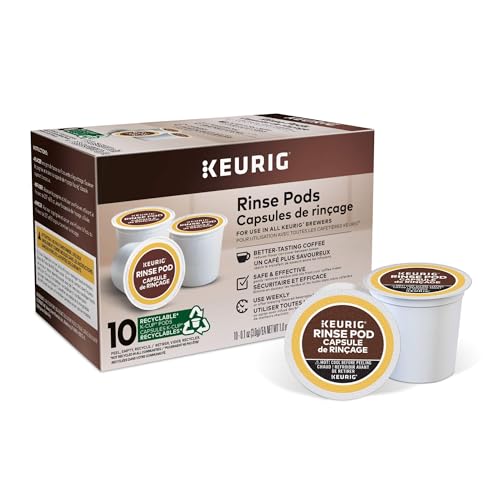
Keurig Rinse Pods (10-Count)
Designed to rinse away coffee oils and residue from the pod holder, these Keurig Rinse Pods prevent lingering flavors when switching between coffee, cocoa, and tea. They brew just like a standard K-Cup, offering an effortless routine maintenance step for most Keurig machines.
Pros
- Simple pod-style operation requires no manual scrubbing
- Helps prevent flavor crossover after flavored brews
- Odorless formula leaves no chemical aftertaste
- Broad compatibility across Classic, 1.0, and 2.0 machines
Cons
- Incompatible with Keurig Vue brewing systems
- Pack contains only 10 single-use pods
- Product packaging may vary from listed images
The Structural and Mechanical Distinctions Between Pods and Capsules
The primary distinction between coffee pods and coffee capsules centers on container construction, brew chamber mechanics, and the dynamic fluid pressure applied during extraction. True coffee pods are permeable, round paper filter packets containing pre-measured coffee grounds that brew under gentle flow, while coffee capsules are rigid, sealed containers engineered to withstand internal pressurization. Recognizing how these container formats interact with internal water pumps, puncture needles, and brew baskets allows consumers to diagnose extraction failures and select the ideal brewer for their household.
Defining True Coffee Pods: Soft Paper Discs and E.S.E. Standards
Traditional coffee pods resemble circular tea bags composed of two layers of permeable filter paper crimped tightly around ground coffee. These pods originated primarily in European brewing traditions and appear in two distinct configurations known as soft pods and Easy Serving Espresso (E.S.E.) pods. Soft pods are loose, pliable pillows designed for low-pressure single-serve machines, where hot water saturates the pod inside a non-pressurized basket to produce an Americano or standard drip-style cup. Because the paper exterior lacks a rigid frame, water flows evenly across the entire surface area of the coffee bed without requiring mechanical piercing.
The E.S.E. format presents a denser, highly compacted 44mm paper wafer specifically engineered for manual and semi-automatic espresso machines. Manufacturers compress finely ground, tamped coffee between structural paper membranes capable of withstanding the substantial pressure generated by traditional espresso pumps. Unlike loose soft pods, E.S.E. discs require a tight mechanical seal within a dedicated portafilter basket to prevent pressurized water from bypassing the coffee puck. These paper-wrapped discs offer an eco-friendly brewing experience because they eliminate plastic shells while providing pre-calibrated espresso dosing with virtually no grounds cleanup.
Defining Coffee Capsules: Rigid Shells, Cartridges, and Hermetic Seals
Coffee capsules represent a completely different engineering approach defined by rigid outer enclosures fabricated from food-grade plastic, aluminum, or composite polymers. Popular formats such as Keurig K-Cups and Nespresso capsules feature solid walls and hermetically sealed top lids that protect roasted coffee from atmospheric oxygen, humidity, and ambient light. This airtight barrier preserves volatile aromatic compounds far longer than porous paper wrappers, which typically require individual foil overwrap pouches to maintain freshness. The rigid shell maintains its structural integrity inside the machine until mechanical needles pierce the lid and base during the clamping cycle.
The interior of a standard single-serve cartridge often houses an integrated suspension filter that keeps the grounds separated from the exit puncture zone. For example, standard K-Cup style options like Peet’s Coffee Coffee Pods, Medium Roast incorporate a suspended paper filter cone bonded inside a plastic shell to brew a clean, sediment-free cup using water-processed decaffeinated Arabica beans. In contrast, espresso capsules rely on pressurized water expanding the capsule body until the thin aluminum face bursts against a patterned pyramid plate. These structural mechanics demonstrate why rigid capsules cannot function in paper-pod baskets, and why soft pods cannot survive the mechanical piercing cycles of capsule brewers.
Extraction Physics: Low-Pressure Drip Flow vs High-Pressure Espresso Pumping
Fluid dynamics and internal chamber pressure dictate the distinct sensory profiles delivered by pods and capsules. Standard paper pods and drip-oriented cartridges operate under low hydraulic pressure, usually between 1.5 and 3 bars, relying on gravity and continuous water flow to wash soluble compounds out of the grounds. This gentle percolation matches the flavor profile of traditional drip coffee, yielding a medium-bodied beverage with transparent clarity and subtle flavor notes. The brew head pumps water across the upper surface, allowing hot moisture to seep naturally through the bed without creating heavy emulsified oils.
Capsule extraction systems designed for espresso operate under intense mechanical force, using positive-displacement vibration pumps delivering up to 19 bars of pressure at the pump head. High water pressure forces water rapidly through finely compacted coffee particles within a span of twenty to thirty seconds. This aggressive extraction shears insoluble coffee lipids and suspended microscopic solids into a rich, velvety suspension crowned with dense crema. The resulting beverage exhibits intense body, concentrated aromatic intensity, and elevated viscosity that cannot be duplicated by gravity-driven soft paper pods.
Internal Anatomy: Filter Paper Baskets vs Pressurized Foil Rupturing
Examining the internal architecture of a coffee container reveals how mechanical water flow is directed during brewing. Inside a typical single-serve coffee cartridge, a heat-welded paper filter suspended above the container floor creates a collection reservoir beneath the grounds bed. When the machine head clamps downward, a hollow upper needle pierces the protective foil lid to inject hot water, while a sharp bottom exit needle punctures the outer plastic shell without tearing the internal paper filter. This multi-chamber configuration prevents wet grounds from flowing directly through the exit aperture into the mug.
High-pressure espresso capsules eliminate internal paper baskets entirely, packing the finely ground coffee directly against the outer shell walls. As water enters through puncture holes at the narrow end of the capsule, hydrostatic pressure builds rapidly within the hermetic chamber. Once internal force reaches critical limits, the foil face expands outwards against an internal waffle plate, causing precise micro-punctures across the entire foil surface. This sudden rupture releases a pressurized stream of rich espresso while the metal grid filters out solid particles, demonstrating a complex hydraulic mechanism absent in simple permeable pods.
Coffee Grounds Dosage and Cup Volume Dynamics
The volume of ground coffee contained inside the chamber directly governs the ideal brew size and final beverage strength. Standard K-Cup cartridges typically hold between 9 and 12 grams of ground coffee, providing adequate solubility for brewing 6 to 10 fluid ounces of drip-style coffee. Attempting to brew a 12-ounce mug from a single standard cartridge over-extracts the spent grounds, resulting in bitter astringency and a watery mouthfeel. Checking caffeine levels in standard arabica pods highlights how dry dose weight directly correlates with total dissolved solids and perceived cup strength.
Espresso capsules hold significantly less dry coffee by weight, usually containing between 5 and 6 grams of grounds within OriginalLine formats. Because the water volume pulled through an espresso capsule ranges from 1.35 ounces for a solo shot to 3.7 ounces for a lungo, this compact dose yields an intense, concentrated extraction. In contrast, larger dome-shaped single-serve formats designed for full mugs hold between 10 and 15 grams of dry coffee to support longer brew cycles. Consumers seeking high-caffeine coffee pods must consider these dry weight differences, as beverage volume alone does not determine the total caffeine yielded in your morning mug.
Machine Ecosystem Lock-Ins and Hardware Clearances
Proprietary design choices across manufacturers create strict ecosystem boundaries that prevent cross-format compatibility. Keurig single-serve brewers require specific cartridge dimensions with proper puncture clearance to avoid crushing the container rim or bending entrance needles. Legacy machines with optical sensors enforce compatibility rules by checking for proprietary ink markers on the cartridge foil before initiating a brew cycle. Forcing a soft paper pod into a K-Cup holder leads to immediate puncture failures, water bypass around the pod edges, and messy coffee ground residue inside the holder.
Nespresso hardware splits cleanly between OriginalLine pump-driven brewers and VertuoLine Centrifusion machines that read optical barcodes beneath the capsule rim. OriginalLine machines use a drop-in conical chamber that mechanically grips the capsule and pierces the rear casing, depending on 19 bars of pump pressure. VertuoLine machines dispense with high pressure entirely, spinning domed capsules up to 7,000 revolutions per minute to extract coffee via centrifugal force. Inserting an OriginalLine capsule into a Vertuo unit is physically impossible, and using third-party cartridges without readable barcodes on Vertuo machines triggers immediate read errors.
Reusable Solutions: Calibrating Grind and Stainless Steel Housings
Refillable containers offer an economical and environmentally responsible alternative to disposable cartridges, but they demand precise user calibration. Products like the Reusable Pods for Nespresso Vertuo 230ml Stainless provide 304 stainless steel construction paired with a food-safe silicone lid, engineered for compatible machines like the Delonghi ENV135, ENV150, Vertuo Next, and Vertuo Pop. Unlike thin plastic shells, rigid stainless steel tolerates repeated high-heat extraction cycles without warping or degrading. The silicone lid prevents coffee grounds from escaping into the machine housing while maintaining the required balance for smooth rotation.
Achieving proper extraction with refillable options requires paying careful attention to coffee grind size and tamp pressure. Using an excessively fine espresso grind in a Vertuo reusable capsule or reusable K-Cup filter basket chokes the micro-mesh openings, causing water backup and chamber leaks. A medium or medium-fine grind allows pressurized water to flow smoothly through the coffee bed, extracting desirable oils without forcing fine sediment into the cup. Users should avoid hard tamping when loading reusable stainless pods, as light settling with the supplied spoon provides the ideal density for even water distribution.
Flavor Carryover, Oily Buildup, and Essential Brewer Hygiene
Residual coffee oils and aromatic compounds inevitably accumulate inside brewer puncture needles, pod holders, and exit channels after multiple cycles. Brewing a dark roast or flavored hazelnut cartridge leaves a lingering oily film that transfers onto subsequent cups, altering the delicate profile of unflavored coffees. Utilizing dedicated maintenance tools such as Keurig Pods Reduces Flavor Carry Over helps rinse away residue and built-up coffee oils quickly without harsh chemicals. These odorless cleaning pods run directly through the pod holder just like a standard cartridge, refreshing internal surfaces in classic Keurig models and 2.0 systems.
Routine hygiene should also include periodic descaling and manual inspection of entrance and exit needles to maintain correct brew temperatures and pump pressure. Before cleaning puncture assemblies, always unplug the appliance and allow hot steam to dissipate completely to prevent accidental burns or punctures. A straightened paperclip can gently dislodge compacted coffee fines trapped inside hollow exit needles when slow dripping or short-cup dispensing occurs. Regular cleaning prevents high-pressure chamber blowouts and ensures that every single-serve container brews at its intended extraction efficiency.
Environmental Impact: Aluminum, Polypropylene, and Composting Realities
The environmental footprint of single-serve brewing varies significantly depending on whether you choose paper pods, aluminum capsules, or plastic cartridges. Soft paper pods and certified compostable discs break down naturally in commercial composting facilities, returning organic matter to the soil without synthetic waste. In contrast, standard rigid cartridges often rely on number 5 polypropylene plastic, which requires manual disassembly before municipal recycling facilities can process the material. Consumers must peel the aluminum foil lid completely, discard the organic coffee grounds, and rinse the plastic cup clean before placing it into recycling bins.
Virgin aluminum capsules provide an exceptional oxygen barrier while offering closed-loop recyclability when collected through specialized manufacturer drop-off programs. Aluminum can be remelted and reformed indefinitely without losing material quality, making it an attractive medium for high-pressure espresso packaging. However, tossing whole unemptied capsules into standard household recycling containers leads to sorting rejection at local facilities due to trapped moisture and food contamination. Understanding local waste processing capabilities allows coffee drinkers to make informed choices that balance daily convenience with environmental responsibility.
Selecting the Right Single-Serve Format for Your Daily Routine
Deciding between coffee pods and capsules ultimately depends on your preferred cup style, morning schedule, and budget priorities. If your morning routine demands a large 8 to 10-ounce mug of smooth drip coffee with maximum brand variety, standard plastic or compostable cartridges deliver reliable consistency. Those who prioritize velvety espresso shots, rich crema, and specialty European-style roasts will achieve far better results from high-pressure aluminum capsules. Alternatively, home baristas seeking minimal waste and lower recurring costs can turn to refillable stainless steel containers or compostable paper E.S.E. pods.
Matching your machine investment to your realistic beverage preferences eliminates countertop clutter and ongoing brewing dissatisfaction. Take time to verify container compatibility charts, internal needle clearance, and cup volume settings before committing to a multi-pack purchase. By understanding how container architecture, water pressure, and bean dosage interact during extraction, you can enjoy fast, café-quality coffee tailored perfectly to your morning workflow.
Mastering the technical differences between permeable paper pods and rigid pressurized capsules transforms your single-serve brewing experience. Armed with accurate knowledge of container anatomy, fluid dynamics, and proper machine maintenance, you can consistently brew aromatic, balanced cups that fit your lifestyle. Selecting the right container for your specific machine guarantees rich morning flavor while protecting your appliance for years of dependable service.
About the author
Chris Kornman is a seasoned coffee quality specialist, writer, researcher, and educator with hands-on experience in roasting, cupping, green coffee buying, and quality control. His combination of technical knowledge and practical coffee experience provides valuable insight into how beans, roasting decisions, grinders, and brewing methods work together to shape the final cup.