
How to Clean an Electric Coffee Pot With Vinegar: A Practical Descaling Guide for 2026
Learn how to clean an electric coffee pot with vinegar to eliminate stubborn mineral scale and restore fresh coffee flavor in November 2026 with this simple descaling guide.
 By Jason Sarley
Updated November 5, 2026
Morning brew cycles that drag on with loud sputtering and lukewarm coffee usually signal a common kitchen problem. Over weeks of daily use, hard water minerals calcify inside the internal heating element while dark coffee oils bake onto the carafe glass. Learning how to clean an electric coffee pot with vinegar restores heating efficiency, shortens brew times, and protects the clean flavor of your favorite roast. A routine descaling cycle dissolves calcium deposits within the thermosiphon tube and removes sour residues that compromise taste.
Before running any acidic solution through your appliance, understanding proper ratios and rinse requirements is essential. Mastering standard drip filter coffee machine operation ensures you protect internal silicone seals and heating components while clearing buildup. Taking thirty minutes to descale your electric brewer and scour the carafe prevents permanent heating plate damage and keeps your morning cup tasting fresh. Regular descaling preserves your machine and ensures every pot brews at proper extraction temperatures.
| Award | Product | GCG Score About GCG ScoreThe GCG Score is our own rating from 0 to 10, based on performance, design and build, ease of use, and value. It reflects independent research and is never influenced by manufacturers, retailers, or affiliate commissions. Learn more › | |
|---|---|---|---|
| Best Overall |
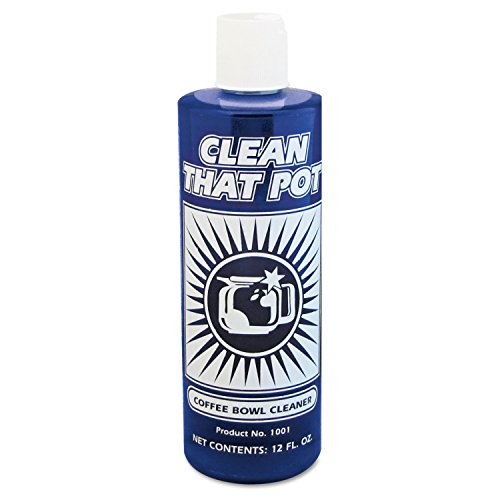
Clean Pot Coffee Bowl Cleaner
|
8.6/10 | Buy |
Clean Pot Coffee Bowl Cleaner
Clean That Pot Coffee Bowl Cleaner is a dedicated 12-fluid-ounce liquid solution formulated to strip away stubborn coffee oil stains and mineral scale from glass carafes, thermal pots, and brewing baskets. It is an ideal maintenance accessory for daily drip coffee drinkers and busy households looking to eliminate stale residue without harsh scrubbing.
Pros
- Targeted formula breaks down stubborn coffee oils and dark carafe stains better than ordinary dish soap
- Blue color indicator provides visual confirmation during rinsing to ensure no solution remains in the pot
- Versatile application across glass carafes, thermal vessels, brew baskets, and metal screens
- Compact 12-fluid-ounce bottle stores easily on standard kitchen shelves or under the sink
Cons
- Requires manual measuring and thorough water rinsing cycles before brewing fresh coffee
- The 12-fluid-ounce bottle may deplete quickly in multi-pot households with heavy daily cleaning routines
- Does not replace mechanical brush scrubbing for severe, years-old baked-on warming plate stains
Comprehensive Guide to Cleaning and Descaling Your Electric Coffee Pot
Keeping an automatic drip coffee maker running smoothly requires targeting two distinct forms of buildup. Internal heating tubes collect white mineral scale, while the carafe and brew basket trap oxidized coffee oils. When you learn how to clean an electric coffee pot with vinegar, you solve the internal scale issue that ruins brew temperature and water flow. The following guide covers every stage of the descaling process, from mixing safe ratios to thoroughly rinsing the system.
Understanding Mineral Scale and Burnt Coffee Oils
Tap water carries dissolved calcium carbonate and magnesium that precipitate out of liquid during rapid heating. Inside an electric coffee maker, water passes through a narrow boiler tube where heat creates steam pressure to pump water to the showerhead. As water boils, calcium deposits bond to the metal tube walls, narrowing the passage and reducing thermal transfer. This constriction makes the machine brew much slower, produce loud sputtering noises, and vent scalding steam prematurely.
While mineral scale accumulates inside the hidden plumbing of the brewer, a different residue coats the carafe and brew basket. Roasted coffee beans release natural oils during extraction that adhere to glass, plastic, and stainless steel surfaces. Exposure to the constant heat of a warming plate bakes these lipids onto the pot, creating dark stains and rancid flavors. A standard soapy rinse rarely breaks down these baked oils, which continuously leach bitter notes into fresh coffee.
Distilled white vinegar serves as an effective descaling agent because it contains roughly five percent acetic acid. This mild acid chemically reacts with alkaline calcium carbonate, transforming solid crust into soluble calcium acetate and harmless carbon dioxide gas. However, while vinegar dissolves internal scale, it is less effective at lifting thick, baked coffee oils from the carafe. Addressing both problems requires running the acid through the water system and using targeted physical cleaning on the pot itself.
Recommended Vinegar Dilution Ratios and Preparation
Preparing your coffee maker for a vinegar wash begins with ensuring the appliance is completely cool and free of old coffee grounds. Unplugging the brewer before initial preparation allows you to inspect the water reservoir, showerhead, and carafe for physical damage. Remove disposable paper filters or empty the permanent filter basket so liquid flows freely through the system. If your coffee pot features a charcoal water filter inside the reservoir, take it out so it does not absorb the vinegar.
The optimal cleaning mixture for moderate mineral buildup is a one-to-one ratio of distilled white vinegar and cold water. For a standard twelve-cup pot holding approximately sixty fluid ounces, mix thirty ounces of vinegar with thirty ounces of water. Cold tap water or filtered water blends evenly with the vinegar to ensure consistent acidity throughout the reservoir. Using pure, undiluted vinegar is rarely necessary and can release strong fumes into your kitchen while placing stress on internal rubber gaskets.
Severe mineral blockage in hard water regions may occasionally warrant a stronger concentration of two parts vinegar to one part water. You should only use distilled white vinegar for this process, never apple cider vinegar, wine vinegar, or scented cleaning vinegars. Culinary vinegars like apple cider contain residual sugars and fruit sediments that can scorch onto heating elements and leave permanent odors. Standard white vinegar provides pure acetic acid in a neutral water base, making it safe for food-contact surfaces.
Step-by-Step Descaling Procedure for Internal Tubes
Pour your prepared vinegar and water mixture directly into the empty water reservoir of the brewer. Seat the carafe with its lid securely on the warming plate, making sure the lid plunger properly engages the brew basket drip-stop valve. If the carafe lid does not depress this spring-loaded valve, liquid will back up inside the brew basket and overflow scalding water across your counter. Once everything is aligned, turn the coffee maker on and begin a standard brewing cycle.
Allow the brewer to run until roughly half of the solution has filtered through the boiler and into the carafe. At the halfway mark, switch the machine off or pause the cycle to trap the hot acidic solution inside the heating chamber. Letting the solution sit inside the tube for thirty to forty-five minutes gives the acetic acid time to dissolve dense calcium carbonate scale. Skipping this resting phase reduces cleaning effectiveness because fast-moving liquid does not maintain long enough contact with hardened mineral deposits.
After the resting period concludes, turn the coffee pot back on to complete the remaining brew cycle. The second half of the cycle pushes loosened mineral flakes and dissolved scale out through the showerhead and into the pot. You may observe cloudy liquid, chalky white particles, or slight bubbling in the carafe as the reaction completes. Once the reservoir is completely empty, turn off the brewer and allow the carafe and heating plate to cool for ten minutes.
Cleaning the Carafe and Removing Burnt Coffee Stains
The hot vinegar solution collected in the carafe after descaling can be repurposed to loosen light surface stains on the glass. Swirl the warm liquid around the interior of the pot and allow it to sit for fifteen minutes to soften recent coffee films. Use a soft sponge or non-abrasive bottle brush to scrub the base, avoiding coarse wire pads that scratch the surface. Scratches create microscopic stress points on borosilicate or soda-lime glass that increase the risk of thermal shock fractures.
When stubborn, burnt coffee oils resist standard vinegar soaks, specialized bowl cleaners offer a faster and safer alternative. Products like Clean That Pot Coffee Bowl Cleaner feature an advanced formula specifically engineered to remove stubborn oils, stains, and hidden mineral films from coffee bowls, brew baskets, and screens. This environmentally safe cleaner includes a distinct blue color indicator that allows you to see immediately when the chemical has been completely rinsed away. Formulated for use across major brewing equipment brands, it cleans glass and metal vessels without requiring abrasive scouring.
Thermal shock remains the single greatest hazard when cleaning any glass coffee carafe. Never pour cold rinse water into a hot glass pot that has just sat on an active warming plate, and never set a hot pot on cold stone countertops. The sudden temperature differential causes uneven contraction of the glass structure, leading to immediate cracking or shattering. Always place hot carafes on a dry cloth towel, silicone trivet, or wooden cutting board and let them cool completely before washing.
Flushing the System with Clear Water Cycles
Completing the acid cycle is only half the battle; eliminating residual acetic acid is vital for restoring beverage quality. Vinegar leaves a strong, pungent odor and an intensely sour taste that will ruin fresh coffee if not completely flushed out. Empty the acidic liquid from the carafe and wash the pot, lid, and brew basket thoroughly with warm water and mild dish soap. Rinse every component clean, reinstall the brew basket, and reseat the clean carafe on the warming plate.
Fill the water reservoir to its maximum line with fresh, cold tap or filtered water. Run a full brew cycle without any coffee grounds or cleaning agents in the machine. As the clean steam and hot water circulate, they sweep out dissolved scale particles and lingering acid residues from the internal boiler and silicone hoses. Discard the hot water once the cycle finishes, and allow the machine to rest for five minutes between cycles to prevent the thermostat from overheating.
A single water cycle is never enough to purge vinegar completely from the internal plumbing. You should execute a minimum of two to three full clear water flushes to ensure complete freshness. After the third cycle, pour a small amount of the hot water from the carafe into a clean mug, allow it to cool slightly, and smell or sip it. If you detect any faint sourness or pungent vinegar aroma, run an additional plain water cycle until the water tastes completely crisp and neutral.
Comparing Vinegar, Citric Acid, and Specialized Cleaners
Many home brewers wonder whether distilled white vinegar is the superior option compared to food-grade citric acid or commercial cleaners. White vinegar is inexpensive, non-toxic, and accessible in almost every household pantry, making it convenient for routine descaling. The significant drawback of vinegar is its volatile aroma, which permeates the kitchen and requires multiple flushes to remove. Furthermore, frequent use of high-strength vinegar can slowly degrade sensitive silicone tubing or rubber O-rings in certain budget drip makers over years of service.
Food-grade citric acid powder offers a virtually odorless alternative that dissolves calcium scale even faster than vinegar. Mixing one tablespoon of citric acid powder per quart of warm water produces an effective descaling agent that flushes away in fewer rinse cycles. However, citric acid does not tackle greasy coffee oils inside carafes any better than vinegar. For deep cleaning removable components, checking our guide on cleaning a reusable coffee filter helps ensure your mesh basket stays free of rancid oils alongside a freshly descaled boiler.
Commercial cleaners and specialty descaling solutions strike an effective balance between scale elimination and oil removal. Unlike simple single-acid washes, dedicated formulations often combine gentle acid descalers with surfactants that emulsify baked-on lipids. They are engineered to protect internal copper, aluminum, and silicone components while reducing the number of rinse cycles needed. Choosing between household vinegar, citric acid, or a dedicated cleaner depends on your tolerance for vinegar fumes, local water hardness, and how heavily stained your carafe has become.
Troubleshooting Flow Issues and Lingering Odors After Descaling
In some cases, running a vinegar descaling cycle can temporarily cause a coffee maker to brew slower or sputter violently. This occurs when large chunks of calcium scale detach from the heating element walls before fully dissolving, lodging in the narrow showerhead nozzles or check valve. If your brewer flow stalls mid-cycle, unplug the unit, let it cool, and inspect the showerhead. Gently clearing the small spray holes with a wooden toothpick or soft brush usually dislodges the trapped debris and restores proper water distribution.
Water leaks pooling beneath the base of an electric coffee maker after descaling require careful inspection. Often, thick mineral scale was unintentionally acting as a temporary seal over an aging silicone hose connection or degraded clamp. When the acid dissolves the mineral blockage, water can seep through micro-fissures in internal tubing. Always inspect your kitchen counter for moisture after a descaling session, and ensure your brewer is unplugged before inspecting the outer casing for signs of internal leakage.
If an intense vinegar taste lingers despite running multiple clear water cycles, the odor may be trapped in plastic components rather than metal tubing. Porous plastic brew baskets and silicone lid gaskets readily absorb volatile aromas during prolonged heat exposure. Soaking these removable plastic parts in a solution of warm water and two tablespoons of baking soda for twenty minutes neutralizes trapped acid odors effectively. Pairing this habit with clean brewing techniques, such as using bleached versus unbleached paper filters, prevents unwanted papery or acidic notes from entering your daily cup.
Routine Maintenance Schedules and Scale Prevention
The ideal frequency for descaling an electric coffee pot depends heavily on the mineral content of your municipal tap water and your daily brewing volume. Households in hard water regions with high concentrations of dissolved limestone should descale their machines every thirty to forty-five days. Areas with naturally soft or reverse-osmosis filtered water can comfortably extend descaling intervals to every three to six months. Monitoring brew time and listening for loud, raspy gurgling sounds provides an early warning sign that scale is constricting the boiler.
Daily habits significantly reduce how often you need to perform intensive deep cleanings on your brewing equipment. Discard spent coffee grounds and wet paper filters immediately after brewing to prevent moisture and bitter oils from baking into the brew basket. Rinse the carafe thoroughly with warm water after every pot, and leave the reservoir lid cracked open so interior surfaces can air dry completely. Keeping the interior dry discourages mold spores from taking hold in damp, unheated water channels.
Maintaining a clean electric coffee pot preserves optimal brewing temperatures between one hundred ninety-five and two hundred five degrees Fahrenheit. When internal heating elements remain free of calcified insulation, heat transfers efficiently into the water, ensuring balanced flavor extraction and swift brewing. Taking the time to execute a proper vinegar descaling procedure and maintaining your carafe extends the lifespan of your appliance and guarantees that every morning brew delivers clean, rich flavor.
About the author
Jason Sarley is a coffee professional, writer, roaster, and licensed Q Grader with extensive experience in cupping and coffee evaluation. He also holds professional roasting credentials and has worked closely with innovative brewing technology, giving him practical insight into how brewing equipment, extraction methods, and coffee quality come together in the cup.