
Best Standalone Espresso Machine of 2026 for Rich Crema
The Best Standalone Espresso Machine lineup for October 2026 delivers steady brew heat, 9-bar pressure, and quick steam to brew authentic cafe drinks on your counter.
 By Kim Westerman
Updated October 3, 2026
By Kim Westerman
Updated October 3, 2026

Thin, sour espresso shots and weak steam wands turn morning routines into pure frustration. Achieving true cafe texture requires steady thermal management and reliable pump performance rather than luck. The best standalone espresso machine gives home baristas direct control over extraction flow, pressure curves, and microfoam texturing. Many popular models, such as the Breville Barista Express or an affordable budget De’Longhi espresso machine, balance heating speed with steady water delivery. That means thick crema and silky lattes without waiting fifteen minutes for a massive commercial boiler to warm up.
Modern kitchen counters rarely have room for bulky commercial plumbing or separate grinding setups. Contemporary standalone units pack conical burr grinders, PID temperature regulation, and low-pressure pre-infusion into compact footprints. Manufacturers focus on rapid thermoblock heating and 15-bar to 20-bar Italian pumps, allowing quick transitions between pulling shots and frothing milk. Product specifications and user feedback show that dependable performance relies on repeatable brew heat and sturdy internal components. These features ensure balanced, flavorful espresso day after day.
| Award | Product | GCG Score About GCG ScoreThe GCG Score is our own rating from 0 to 10, based on performance, design and build, ease of use, and value. It reflects independent research and is never influenced by manufacturers, retailers, or affiliate commissions. Learn more › | |
|---|---|---|---|
| Best Overall |
Breville BES870XL Barista Express Espresso
|
9.2/10 | Buy |
| Best Premium |
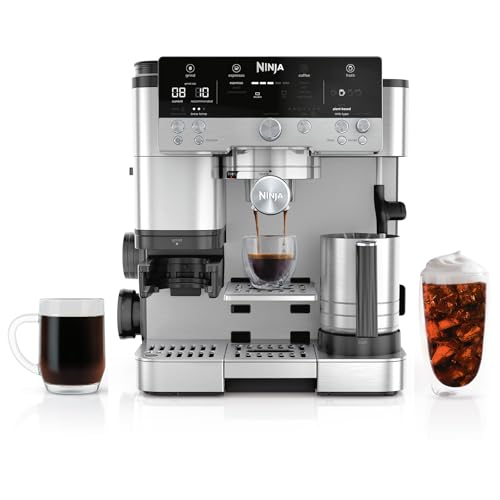 Ninja Luxe Café Premier 3-in-1 Espresso Machine
|
9.2/10 | Buy |
| Best Budget |
 CASABREWS 3700 Essential Stainless Steel Espresso
|
9.1/10 | Buy |
 CASABREWS CM5418 Compact Espresso Machine
|
8.9/10 | Buy | |
| Best Value |
 EUHOMY Automatic Espresso Machine with Built-in
|
8.9/10 | Buy |
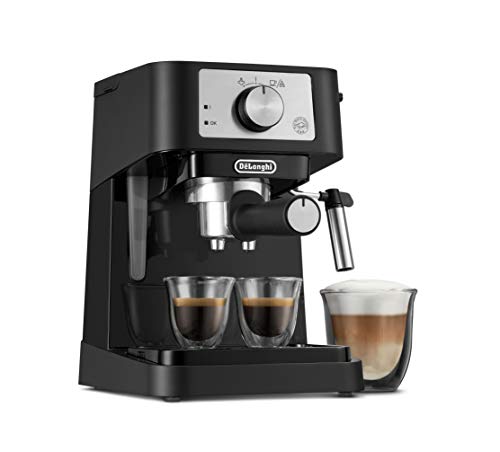 De'Longhi Stilosa Compact Manual Espresso Machine
|
8.6/10 | Buy | |
 De'Longhi Magnifica Duo Automatic Espresso
|
8.6/10 | Buy | |
 Breville BES870BTR Barista Express Espresso
|
8.3/10 | Buy | |
 Arecovas Espresso Machine, 20 Bar Pressure
|
8.0/10 | Buy | |
 De'Longhi Classic Signature Espresso Machine
|
8.0/10 | Buy |
Frequently Asked Questions
What is the main benefit of a thermoblock heating system in a standalone espresso maker?
Thermoblock systems deliver near-instant water heating within seconds instead of minutes. These compact units pump cold water through a heated spiral coil, creating on-demand brew temperature without storing gallons of boiling water. This design saves energy and speeds up your morning routine. It also keeps machine footprints compact enough to slide easily under standard kitchen cabinets.
Does the Best Standalone Espresso Machine require a pressurized or non-pressurized filter basket?
Most machines accommodate both styles depending on your grinder setup and experience level. Dual-wall pressurized baskets compensate for pre-ground coffee by building artificial crema through a single exit hole. Single-wall non-pressurized baskets require precise grinding but unlock sweeter, more nuanced flavors from whole beans. Beginners often start with pressurized filters before switching to standard non-pressurized baskets.
Why do many espresso makers feature 15-bar or 20-bar pumps if 9 bars is standard?
Pumps are rated at 15 to 20 bars maximum pressure to maintain continuous water flow across dense grounds. While 9 bars serves as the optimal target at the portafilter during extraction, higher pump force prevents stalling against finely ground coffee. Built-in overpressure valves help regulate excess flow down to balanced extraction levels. This prevents bitter notes while preserving rich aromatic oils.
How does PID digital temperature regulation improve espresso quality?
A PID controller actively stabilizes brew water temperature within a narrow range of plus or minus two degrees. Traditional mechanical thermostats cause temperature swings that produce sour or scorched shots. Consistent water temperature ensures balanced flavor extraction, especially when pulling back-to-back drinks for guests. This electronic control takes the guesswork out of brewing dark or light roasts.
How often should you run a descaling cycle on your machine in 2026?
Descaling every two to three months prevents mineral scale from clogging narrow water lines and heating elements. Hard tap water leaves calcium deposits that reduce steam pressure and cause sluggish water flow. Using filtered water slows buildup, but regular descaling cycles protect internal valves. If you want a quick zero-maintenance alternative for late afternoons, a frequent coffee decaf AeroPress setup offers a practical backup option.
About the author
Kim Westerman is an experienced coffee reviewer, licensed Q Grader, and longtime food and beverage writer with extensive sensory evaluation expertise. Her background in structured tasting helps her assess coffee quality, flavor characteristics, and brewing results with a thoughtful, consumer-focused approach that makes technical details easier for everyday coffee drinkers to understand.