
Boiler or Thermoblock Espresso Machine of 2026 for Fast Heating & Crema
Upgrade your morning extraction with a top boiler or thermoblock espresso machine for October 2026, balancing rapid warmup and steady steam power.
 By Jason Sarley
Updated October 3, 2026
By Jason Sarley
Updated October 3, 2026

Dialing In Heat Stability and Steam Power
Waiting twenty minutes for a heavy brass tank to warm up can derail a quick morning espresso routine. Lukewarm water leaves shots tasting sour and flat, while weak steam wands turn silky milk into bubbly froth. Selecting a boiler or thermoblock espresso machine shapes your daily kitchen flow, from instantaneous startup to back-to-back drink production. Fast thermoblock units like the De’Longhi Classic push fresh water through a heated coiled block on demand, while dedicated dual boiler setups like the Breville BES920XL stabilize temperatures with digital precision. Pairing these brewing devices with reliable gear like retentionless coffee grinder models makes dialed-in extraction far simpler.
Manufacturers construct heating systems to balance rapid morning speed against commercial-grade temperature stability. Thermoblock designs cut warmup delays down to seconds, making them ideal for hurried commutes and smaller countertop clearances. Traditional boilers hold a steady reservoir of hot water, giving you sustained steam pressure to texture velvety microfoam for latte art without sudden drops in thermal energy. Our analysis of manufacturer specifications, pump pressure ratings, and user feedback shows that both heating designs solve distinct home brewing problems. Understanding these heating differences ensures you invest in hardware that matches your morning pace and coffee goals.
| Award | Product | GCG Score About GCG ScoreThe GCG Score is our own rating from 0 to 10, based on performance, design and build, ease of use, and value. It reflects independent research and is never influenced by manufacturers, retailers, or affiliate commissions. Learn more › | |
|---|---|---|---|
| Best Overall |
Capresso 116.04 Pump Espresso and Cappuccino
|
9.1/10 | Buy |
| Best Budget |
 IMUSA 6 or 3 Cup Electric Espresso Maker
|
8.8/10 | Buy |
| Best Value |
 De'Longhi Classic Espresso Machine, Milk Frother
|
8.6/10 | Buy |
| Best Premium |
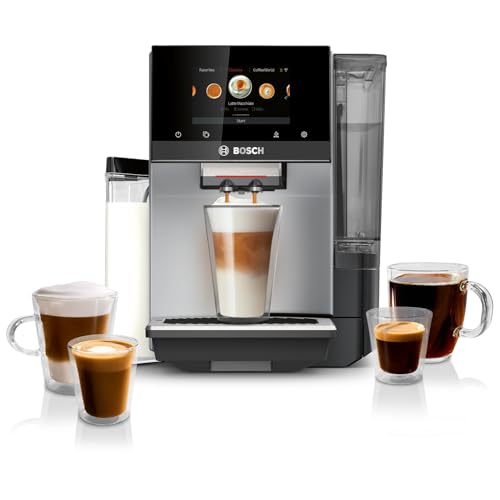 Bosch 800 Series Fully Automatic Coffee
|
8.6/10 | Buy |
 Breville BES920XL Dual Boiler Espresso Machine
|
7.8/10 | Buy |
Frequently Asked Questions
What is the primary difference between a boiler or thermoblock espresso machine?
Boilers store heated water in an internal chamber, whereas thermoblocks flash-heat cold water on demand through a heated metal block. A traditional boiler maintains a larger thermal mass that delivers strong, consistent steam pressure for lattes. Thermoblock designs warm up within seconds, drawing fresh water through narrow channels for each shot. While boilers excel at multi-drink temperature recovery, thermoblocks save counter space and conserve energy during everyday morning routines.
Can a thermoblock espresso machine brew and steam milk at the same time?
No, a single thermoblock cannot brew espresso and steam milk simultaneously. The machine must switch temperatures between brewing (around 200°F) and steaming (around 265°F), requiring a short pause to purge or heat up. In contrast, dual boiler machines like the Breville BES920XL feature dedicated heating units that let you extract a shot and froth milk together. Single thermoblocks remain popular because they transition between brewing and steaming much faster than single boilers.
Do boiler espresso machines take longer to heat up in the morning?
Yes, traditional boiler machines require ten to twenty minutes to reach proper operating temperature. The brass or stainless steel reservoir must heat thoroughly along with the metal group head to avoid pulling sour, under-extracted shots. A modern thermoblock heats up in under a minute because it only warms small amounts of water as it flows through the block. If you need a quick shot before rushing out the door in 2026, thermoblock speed provides a practical advantage.
How does a dual boiler setup impact extraction consistency?
Dual boilers deliver superior temperature stability by isolating brewing water from high-pressure steam production. Dedicated PID controllers maintain precise extraction temperatures within a couple of degrees, preventing burnt or sour flavors in specialty coffee. Many prosumer setups pair this thermal stability with uniform grind distribution from compact electric burr grinders to eliminate channeling. This setup eliminates temperature fluctuations, allowing consistent 9-bar extraction on consecutive drinks.
Which heating system handles hard water scale buildup better?
Boilers generally resist narrow-channel clogging better, though thermoblocks are simpler to descale with automated cycles. Hard water mineral deposits accumulate quickly in the tight spiral pathways of thermoblock elements, which can reduce water flow if ignored. Traditional boilers hold more water volume, but severe scale buildup inside a closed boiler tank often requires specialized manual flushing. Using filtered water and running regular maintenance cycles like Calc’n Clean prevents internal damage on either heating design.
Is a 15-bar pump better than a 9-bar boiler or thermoblock espresso machine?
No, professional espresso extraction occurs at roughly 9 bars of pressure rather than 15 bars. Vibratory pumps are often rated up to 15 bars, but machines equipped with an overpressure valve restrict extraction pressure to roughly 9 bars to prevent channeling and harsh bitterness. Entry-level thermoblock units frequently use pressurized filter baskets to compensate for higher unregulated pump pressure. Higher bar ratings on packaging simply reflect pump capacity, not superior shot quality.
About the author
Jason Sarley is a coffee professional, writer, roaster, and licensed Q Grader with extensive experience in cupping and coffee evaluation. He also holds professional roasting credentials and has worked closely with innovative brewing technology, giving him practical insight into how brewing equipment, extraction methods, and coffee quality come together in the cup.