
How to Clean Bodum Bistro Coffee Grinder: A Practical Guide for 2026
Learn how to clean bodum bistro coffee grinder steps safely, remove stale coffee oils, and keep your burrs or blades running smoothly this November 2026.
 By Jason Sarley
Updated November 10, 2026
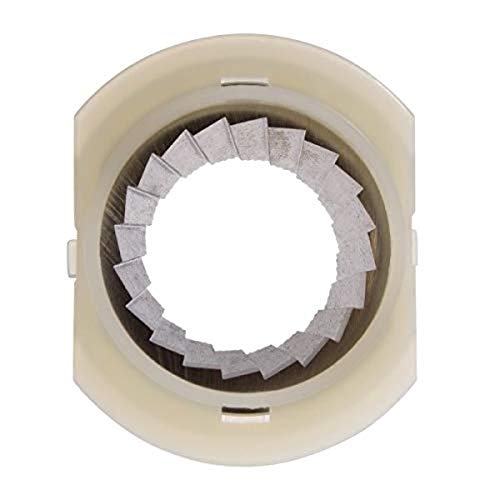
Residual coffee oils oxidize rapidly when exposed to air, turning rancid and clinging tenaciously to internal grinder mechanisms. Over time, micro-fines and broken bean fragments pack tightly into burr flutes and exit chutes, degrading flavor clarity and restricting grind consistency. Learning how to clean bodum bistro coffee grinder components correctly protects your morning extraction from harsh bitterness and prevents unnecessary mechanical strain on the motor. Whether you brew delicate pour-overs or robust immersion pots, fresh coffee demands a spotless pathway from whole bean to brew basket.
Both conical burr and spinning blade designs accumulate oily residues that can taint subsequent batches if left unchecked. Many home brewers who upgrade from basic brewing methods to dedicated burr grinding for filter brewing quickly discover that routine maintenance is just as important as bean quality. Bodum engineered the Bistro lineup with user-friendly elements such as removable upper burrs and borosilicate glass catchers that simplify routine hygiene. Establishing an efficient cleaning workflow takes only a few minutes and ensures that every cup tastes exactly as the roaster intended.
| Award | Product | GCG Score About GCG ScoreThe GCG Score is our own rating from 0 to 10, based on performance, design and build, ease of use, and value. It reflects independent research and is never influenced by manufacturers, retailers, or affiliate commissions. Learn more › | |
|---|---|---|---|
| Best Overall |
Bodum Bistro Replacement Conical Burr
|
9.1/10 | Buy |
| Best Premium |
 Bodum Bistro Conical Burr Coffee Grinder |
8.6/10 | Buy |
| Best Value |
 Bodum Bistro 2.1 oz Blade Coffee Grinder |
8.4/10 | Buy |
| Best Budget |
 Bodum Bistro Electric Blade Coffee Grinder |
8.1/10 | Buy |
Bodum Bistro Replacement Conical Burr
The Bodum Stainless Steel Bistro Replacement Conical Burr restores sharp cutting edges and particle consistency to compatible Bodum Bistro electric grinders. It is an ideal, cost-effective maintenance component for owners of models starting with 10903 and 11750 looking to refresh dull factory burrs.
Pros
- Direct replacement fit for Bodum Bistro grinder model series beginning with 10903 and 11750
- High-quality stainless steel construction that requires no sharpening
- Helps restore clean particle distribution and reduce fines caused by worn burrs
- Economical solution that prolongs the usable life of your coffee grinder
Cons
- Compatible only with specific Bodum Bistro models starting with 10903 and 11750
- Requires manual housing disassembly while keeping track of small internal parts
- Includes only the spare burr blade rather than replacement mounting hardware or clips
Bodum Bistro Conical Burr Coffee Grinder
Equipped with stainless steel conical burrs and a static-reducing borosilicate glass catcher, the Bodum Bistro delivers consistent grounds from French press to drip brewing. An integrated timer simplifies single-touch dosing for everyday kitchen routines.
Pros
- Borosilicate glass catcher minimizes messy static cling
- Consistent stainless steel conical burr mechanism
- Preset timer helps dispense repeatable doses
- Friction clutch safeguards motor and gear mechanism
Cons
- Glass grounds catcher can break if dropped
- Modest 7.75-ounce hopper requires frequent refills
Bodum Bistro 2.1 oz Blade Coffee Grinder
Designed for compact kitchens, this grinder uses a durable stainless steel blade and simple push-button controls for quick grinding. The clear lid lets you monitor coarseness, while built-in cord storage keeps countertops uncluttered.
Pros
- Durable stainless steel cutting blade
- Transparent lid allows visual grind monitoring
- Simple push-button control for pulse or continuous grind
- Integrated cord storage keeps countertops tidy
Cons
- Small 2.1 oz capacity limits batch size
- Requires manual monitoring to gauge coarseness
Bodum Bistro Electric Blade Coffee Grinder
Bodum packs space-saving utility into the Bistro Blade Grinder, handling up to 60 grams of beans with straightforward push-button operation. A transparent lid lets you monitor coarseness visually, making it a practical choice for quick daily brewing.
Pros
- Compact footprint fits easily on crowded countertops
- Clear lid enables real-time visual grind assessment
- Built-in base cord storage minimizes counter clutter
- Durable stainless steel cutting blade
Cons
- Modest 60-gram capacity limits larger brew batches
- Requires active manual monitoring to control grind coarseness
Comprehensive Guide to Cleaning and Maintaining Bodum Bistro Grinders
Maintaining an electric coffee grinder requires a balance between physical debris removal and careful moisture control. Coffee beans naturally release organic lipids and microscopic dust particles during crushing, creating an adhesive layer that coats burr teeth, inner chambers, and chute surfaces. Knowing how to clean bodum bistro coffee grinder assemblies preserves the cutting edges of stainless steel burrs and prevents electrical hazards. By understanding the distinct mechanical layouts of both conical burr and blade models, you can establish an effective cleaning routine that protects your investment.
Why Regular Cleaning Matters for Grind Consistency and Cup Flavor
Every coffee bean contains aromatic oils that provide sweetness, acidity, and body in the finished cup. When beans pass through grinding surfaces, these volatile compounds coat the internal chamber and oxidize over time. Stale coffee oils eventually turn rancid, introducing cardboard notes and harsh astringency into otherwise fresh coffee. Regular physical cleaning clears out these trapped lipids before they transfer stale flavors into freshly ground coffee doses.
Mechanical performance also depends heavily on internal cleanliness. As microscopic fines accumulate in the burr flutes, the cutting surfaces lose their sharp bite and begin compressing beans rather than slicing them cleanly. This compaction forces the motor to draw extra electrical current and can cause heat buildup during multi-dose grinding runs. Routine maintenance keeps the cutting geometry unobstructed, ensuring consistent particle size distribution across every brew method.
Essential Safety Precautions and Cleaning Supplies
Before beginning any maintenance routine, always disconnect the power plug from the wall outlet to eliminate the risk of accidental motor activation. Electric grinders contain high-torque motors and sharp cutting edges that can cause injury if engaged unexpectedly. Water must never come into contact with the main motorized housing, internal wiring, or motor bearings. Keeping electrical components completely dry prevents electrical shorts and protects internal mechanisms from corrosion.
Gathering the right maintenance tools before disassembly makes the cleaning process swift and straightforward. A stiff natural-bristle brush works well for dislodging packed grounds from tight burr teeth without dulling metal cutting surfaces. A dry microfiber cloth helps wipe down plastic chutes and exterior panels without leaving lint behind. For stubborn crevices, a wooden toothpick safely removes caked coffee without scratching sensitive plastic housings or stripping alignment tabs.
Step-by-Step Disassembly of the Bodum Bistro Conical Burr Grinder
Disassembling the Bodum Bistro conical burr model begins with emptying all whole beans from the top plastic hopper. Twist the bean hopper counterclockwise past the coarsest grind indicator until the alignment markings match the release position, then lift the hopper straight upward. Inspect the bottom of the hopper to verify that the integrated bean shut-off gate is clear of stray coffee fragments. Set the empty hopper aside on a clean, dry surface to avoid scratching its exterior.
With the hopper removed, the upper conical burr carrier becomes fully accessible inside the central grinding well. Grasp the small wire folding handle located on top of the stainless steel upper burr assembly. Rotate the upper ring counterclockwise until the locking tabs disengage from the outer housing collar, then gently pull the upper burr upward out of the chassis. Inspect the outer silicone gasket wrapping the collar, gently sliding it off to clean away any coffee dust trapped beneath the seal.
Cleaning the Removable Upper Burr and Lower Grinding Ring
The removable upper burr ring features precision stainless steel cutting teeth designed to slice beans into uniform particles. Use your stiff natural-bristle brush to scrub each cutting channel methodically, working around the perimeter until all compacted fines fall away. Avoid washing the metal burr with water or detergents, as residual moisture can induce oxidation on cutting surfaces. If sticky oily residue remains on the steel teeth, wipe them briskly with a lightly dampened cloth and dry them immediately.
The lower cone burr remains anchored to the central drive spindle inside the main grinder body. Because this component connects directly to the internal gearbox and motor assembly, it should not be unbolted during standard consumer maintenance. Insert your brush into the chamber and sweep firmly downward and outward around the cone flutes while holding the grinder slightly tilted. A vacuum cleaner equipped with a narrow nozzle attachment provides excellent suction to lift stubborn coffee dust out of the lower chamber.
Clearing the Grounds Chute and Borosilicate Glass Catcher
The exit chute connecting the burr chamber to the collection vessel represents a common choke point for ground coffee accumulation. Coffee dust combined with natural oils forms a cake along internal chute walls, narrowing the pathway and retaining stale grounds between sessions. Insert a flexible dry brush or a wooden skewer gently into the chute opening to break up compacted coffee cakes. Tapping the side of the housing lightly dislodges loose particles without damaging internal wiring or chassis clips.
Bodum equips the Bistro conical burr grinder with a static-reducing borosilicate glass catcher and a silicone lid. Unlike plastic containers that attract flying chaff through static electricity, glass allows grounds to slide out cleanly into your brewer. Wash both the glass container and its silicone lid in warm, soapy water to strip away built-up coffee oils. Just as with cleaning reusable coffee filters, drying the container completely before sliding it back into the grinder dock prevents moisture from migrating into the dry exit chute.
Reassembling the Conical Burr Assembly and Checking Calibration
Reassembly requires careful alignment to ensure the upper burr sits completely flush against the lower cone. Begin by stretching the clean, dry silicone gasket securely back into place around the upper burr collar. Lower the upper burr assembly into the grinding well, aligning the locating tabs on the collar with the corresponding notches inside the housing. Fold down the wire handle, press down gently, and turn the assembly clockwise until you feel it click firmly into its locked operational position.
Position the bean hopper over the top opening and align the unlock indicator with the housing marker before pushing down. Rotate the hopper clockwise through the grind adjustment range until it reaches your desired brewing setting, such as medium-coarse for drip or French press. The friction clutch mechanism inside the Bistro prevents motor damage if beans jam, but improper hopper seating will activate safety interlocks that prevent the motor from starting. Plug the grinder back into the outlet and run the motor empty for two seconds to verify smooth, quiet mechanical rotation.
How to Clean the Bodum Bistro Electric Blade Grinder
The Bodum Bistro electric blade grinder uses a distinct layout featuring a stainless steel bowl with a two-prong spinning blade. Because the cutting blade is permanently fixed to the motor spindle, the grinding bowl cannot be detached for sink washing. Always unplug the blade grinder from electrical power before placing your hands or cleaning implements near the stainless steel cutting blade. Reaching inside an energized blade grinder risks accidental activation through the sensitive lid switch mechanism.
Begin cleaning the blade grinder by tapping loose coffee grounds into a waste bin or compost container. Use a soft, dry pastry brush to sweep stray coffee dust out of the metal bowl and away from the central spindle seal. For oily dark roasts that leave a greasy film across the stainless steel interior, wipe the metal basin with a slightly damp microfiber towel. Never pour water directly into the bowl, as liquid can seep around the drive spindle into the electric motor below.
The transparent plastic lid contains the push-button actuator and acts as the grinding chamber cover during operation. Rinse the transparent lid under warm running water using mild dish soap to remove oily residue and cloudiness. Dry the lid thoroughly with a clean cloth before snapping it back onto the grinder base. Proper cord storage in the base recess keeps the power cable tidy and prevents countertop clutter when storing the grinder between morning brews.
Deep Cleaning vs Routine Dry Maintenance Schedules
Balancing quick daily habits with periodic deep overhauls prevents coffee grime from hardening into difficult obstructions. Routine maintenance takes less than a minute and simply involves brushing loose grounds from the catcher and chute after your morning grind. Lightly tapping the side of the housing while running the motor for one second purges retained grounds from the previous dose. This simple daily step keeps the grounds pathway clear and stops stale particles from contaminating tomorrow’s fresh batch.
Deep cleaning involves complete hopper removal, upper burr extraction, and thorough brushing of all internal surfaces. Performing a deep teardown every two to four weeks ensures that rancid oils do not establish a foothold on metal components. Home brewers grinding high volumes on large-capacity home coffee grinders often schedule deep cleanings more frequently to manage rapid debris accumulation. Using specialized coffee grinder cleaning tablets periodically can also absorb oils from the lower burr without requiring complete mechanical disassembly.
Troubleshooting Retention, Motor Strain, and Burr Wear
Grind retention occurs when ground coffee clings to internal plastic surfaces due to triboelectric static charges and compacted fines. If your Bodum Bistro burr grinder suddenly produces smaller doses than expected, check the exit chute for compacted blockages. A clogged chute forces grounds backward into the burr chamber, increasing friction and tripping the internal friction clutch mechanism. Clearing the chute with a wooden pick immediately restores proper ground flow and prevents motor overheating.
Motor sluggishness or sudden stalling often signals that foreign debris or an exceptionally dense light-roast bean has wedged between burr facets. If the motor hums without spinning, turn off the power switch instantly and disconnect the electrical plug. Remove the hopper and upper burr to inspect the chamber for small stones or unroasted coffee fragments that occasionally slip through roasting packaging. Never attempt to force the grinder to restart while burrs remain physically jammed, as doing so can strip gear teeth or trigger thermal cutoffs.
Burr wear develops gradually over years of regular home brewing across hundreds of bean bags. When stainless steel burrs lose their sharp cutting edges, they crush beans unevenly, producing excess fine dust and oversized boulders. This uneven particle distribution leads to muddy brew beds, stalled pour-over drawdowns, and bitter, hollow-tasting cups. Replacing a dull upper burr ring with a compatible spare conical burr restores original particle uniformity and revives optimal extraction dynamics.
Recommended Cleaning Frequency Based on Bean Roast and Brew Habits
The specific roast profile of your preferred coffee beans dictates how often your grinder requires attention. Dark roasts and oily espresso blends feature external surface lipids that coat burr teeth and chute walls far faster than dry roasts. If you grind oily beans daily, clean the upper burr and exit chute every one to two weeks to prevent buildup. Light and medium roasts contain fewer surface oils, allowing you to stretch deep cleaning intervals to three or four weeks without negative flavor impact.
Flavored coffee beans represent an exception that demands immediate and thorough cleaning after every single batch. Artificial flavor syrups cling aggressively to burr flutes, plastic hoppers, and silicone gaskets, leaving persistent aromas that contaminate subsequent coffees. If you occasionally grind spiced or flavored beans, wipe the grinding surfaces immediately with an alcohol-free damp cloth to isolate the aroma. Keeping separate cleaning tools for flavored beans protects the natural fruit and chocolate nuances of your unflavored specialty roasts.
Consistent grinder hygiene remains one of the simplest and most effective ways to elevate daily cup quality. Taking a few deliberate minutes to brush away loose fines, strip stale oils, and clear the exit chute ensures your Bodum Bistro grinder continues operating smoothly for years. Whether you use the versatile conical burr model or a compact blade unit, clean cutting surfaces yield predictable flow rates, balanced extraction, and pristine coffee flavor every morning.
About the author
Jason Sarley is a coffee professional, writer, roaster, and licensed Q Grader with extensive experience in cupping and coffee evaluation. He also holds professional roasting credentials and has worked closely with innovative brewing technology, giving him practical insight into how brewing equipment, extraction methods, and coffee quality come together in the cup.