
What Can Be Used as a Coffee Filter: Practical Guide for 2026
Learn what can be used as a coffee filter in November 2026. Explore safe kitchen alternatives, reusable mesh baskets, and proper filter sizing.
 By Ashley Rodriguez
Updated October 6, 2026

Reaching into the pantry and finding an empty carton of coffee filters is a frustrating start to any morning. When your regular brewing routine grinds to an unexpected halt, knowing exactly what can be used as a coffee filter saves your morning cup without ruining your brewer. While manufactured paper filters remain the standard for clean drip extraction, various dedicated reusable mediums and food-safe kitchen items can step in during an emergency. Understanding which materials allow water to drain steadily while catching bitter micro-fines ensures you never have to settle for gritty or off-tasting coffee.
Filtration mediums impact far more than physical sediment separation; they directly shape the body, clarity, and aromatic profile of your brew. Modern kitchens utilize everything from multi-cup automatic baskets and conical drippers to single-serve coffee maker options and permanent stainless steel mesh baskets. Pairing proper filtration techniques with thoughtful clean coffee bean selection keeps unwanted off-flavors, papery notes, and bitter silts out of your mug. Whether you need a temporary stopgap or want to switch to a sustainable permanent filter, evaluating how different materials interact with hot water is the first step toward better extraction.
| Award | Product | GCG Score About GCG ScoreThe GCG Score is our own rating from 0 to 10, based on performance, design and build, ease of use, and value. It reflects independent research and is never influenced by manufacturers, retailers, or affiliate commissions. Learn more › | |
|---|---|---|---|
| Best Overall |
Fanativita Reusable K Cup Filters, 2 Pack
|
9.2/10 | Buy |
| Best Budget |
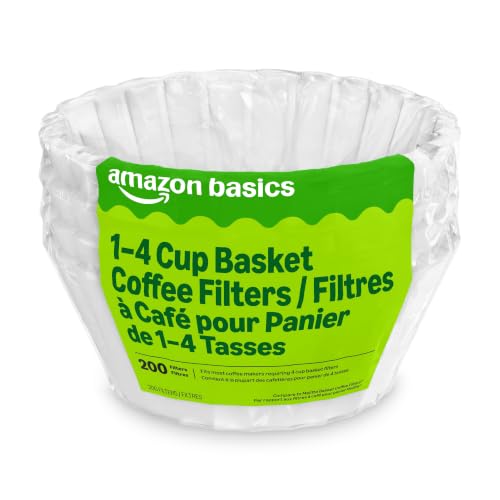 Amazon Basics 1-4 Cup Basket Coffee Filters |
9.1/10 | Buy |
| Best Premium |
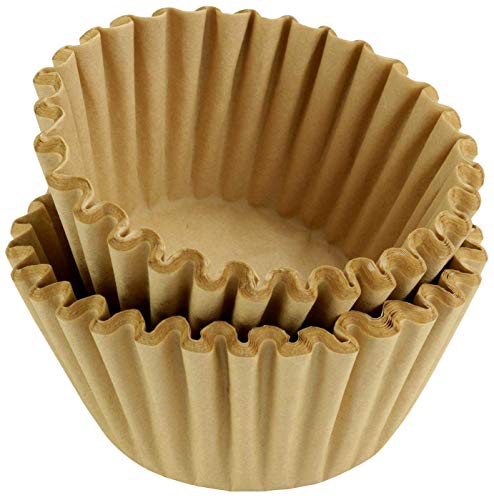 Rupert and Jeoffrey's 8-12 Cup Basket Coffee |
8.9/10 | Buy |
 Melitta #4 Unbleached Coffee Filters |
8.9/10 | Buy | |
| Best Value |
 Lis Adorn 8-12 Cup Reusable Coffee Filter |
8.8/10 | Buy |
 Clinuse #2 Unbleached Cone Coffee Filters |
8.8/10 | Buy | |
 Amazon Basics 8-12 Cup Basket Coffee Filters |
8.6/10 | Buy | |
 Hario Size 02 White Paper Filters (100-Pack) |
8.6/10 | Buy | |
 Ninsula #2 Cone Coffee Filters, 210-Pack |
8.4/10 | Buy | |
 Amazon Basics #4 Cone Coffee Filters (100 Count) |
8.3/10 | Buy |
Fanativita Reusable K Cup Filters, 2 Pack
Designed for single-stream Keurig machines, this two-pack allows users to brew fresh ground coffee while curbing disposable pod waste. The dishwasher-safe pods feature 304 stainless steel side mesh to help optimize flavor extraction.
Pros
- Durable BPA-free frame with 304 stainless steel mesh
- Side filtration improves coffee brewing extraction
- Dishwasher safe for low-maintenance cleaning
- Can be paired with paper filters
Cons
- Incompatible with multi-stream Keurig brewers
- Restricted strictly to single-needle coffee machines
Amazon Basics 1-4 Cup Basket Coffee Filters
Designed for compact 1-4 cup automatic drip coffee makers, these Amazon Basics white basket filters provide clean sediment filtration and reliable fluted wall support for daily small-batch brewing. With ASTM D6868-11 commercial compostability and SFI certification, this 200-count pack delivers practical everyday value for small-pot coffee drinkers.
Pros
- Sized accurately for 1-4 cup basket drip coffee makers to prevent grounds overflow
- Certified to ASTM D6868-11 commercial composting standards and SFI certified (SFI-01675)
- Assembled in the USA from domestic and imported materials
- Generous 200-count pack delivers high daily economy for small-batch morning brewers
Cons
- Only fits 1-4 cup basket machines; incompatible with 8-12 cup brewers or cone-shaped drippers
- Commercial composting facilities accepting ASTM D6868-11 paper products may not be available in all municipal areas
Rupert and Jeoffrey's 8-12 Cup Basket Coffee
Rupert and Jeoffrey's Trading Co. 8-12 Cup Basket Coffee Filters feature natural, unbleached biodegradable paper designed with sturdy fluted sides to prevent basket collapse. This 200-count pack removes bitter micro-fines and excess oils, offering reliable cup clarity and clean morning cleanup for standard drip coffee makers.
Pros
- Sturdy fluted side walls resist collapsing under water saturation to keep grounds out of your pot
- Made in the USA from renewable, biodegradable, and natural unbleached paper
- Filters out fine sediment and excess oils for a cleaner, smoother cup compared to metal mesh filters
- Generous 200-count quantity delivers dependable daily value for batch drip brewers
Cons
- Designed strictly for flat-bottom 8-12 cup baskets and will not fit cone drippers or single-serve brewers
- Unbleached paper may benefit from a quick hot water pre-rinse to prevent subtle dry paper taste with delicate light roasts
- Absorbs natural coffee oils, producing a lighter body that may not appeal to fans of French press extraction
Melitta #4 Unbleached Coffee Filters
Melitta #4 Unbleached Coffee Filters feature microfine flavor-enhancing perforations and burst-resistant double-crimped seams designed for clean, grit-free brewing in standard 8 to 12 cup cone coffee makers. This natural brown 3-pack is ideal for everyday drip brewers and pour-over enthusiasts seeking reliable, chlorine-free filtration at an exceptional household value.
Pros
- Burst-resistant double-crimped seams prevent tearing and grounds blowouts in the brew basket
- Microfine perforations allow aromatic coffee flavor to pass through while trapping bitter silt and sediment
- Universal #4 cone design fits standard 8-12 cup electric cone drip machines and manual pour-over drippers
- Certified BPI commercially compostable, FSC certified, kosher, gluten-free, and made in the USA
Cons
- Natural unbleached brown paper benefits from a quick hot water rinse prior to brewing to prevent subtle paper taste
- Engineered specifically for #4 cone coffee baskets and will not fit flat-bottom basket brewers or smaller #2 cones
- Compostability certification requires commercial or municipal composting facilities rather than standard backyard compost piles
Lis Adorn 8-12 Cup Reusable Coffee Filter
Designed for standard flat-bottom drip machines, this Lis Adorn reusable basket filter eliminates the recurring waste and cost of paper liners. Its stainless steel micro-mesh allows aromatic coffee oils to pass through for a fuller-bodied brew while keeping fine grounds out of the carafe.
Pros
- Durable surgical-grade stainless steel mesh
- Top-rack dishwasher safe for easy cleaning
- Reinforced rim resists heat warping
- Broad compatibility with popular basket brewers
Cons
- Incompatible with cone-shaped coffee makers
- Requires manual emptying and rinsing after use
- Includes only one filter per package
Clinuse #2 Unbleached Cone Coffee Filters
Clinuse Size 02 unbleached cone coffee filters provide clean, sediment-free extraction with reliable wet strength and no chemical bleaching. Designed for manual pour-over drippers and 2-4 cup drip machines, this 200-count vacuum-sealed pack is ideal for daily coffee drinkers seeking great value.
Pros
- Clean-tasting extraction that filters out harsh sediment and oily bitterness without imparting chemical odors
- Strong wet paper integrity that holds up under hot saturation throughout bloom and draw-down phases
- Convenient top finger tab makes pulling and opening individual cone filters straightforward
- Vacuum-sealed packaging ensures filters remain clean, dry, and hygienic during storage
Cons
- Unbleached wood pulp requires a thorough hot-water rinse before brewing to flush out natural paper taste
- The small side tab is designed only for opening dry filters and cannot support lifting out heavy, wet coffee grounds
- Dimensions can vary by up to 0.2 inches, requiring buyers to verify dripper cone compatibility beforehand
Amazon Basics 8-12 Cup Basket Coffee Filters
Designed for standard 8-12 cup automatic drip machines, these Amazon Basics white basket filters provide dependable sediment filtration for a smooth, grit-free morning cup. Their industrially compostable, SFI-certified paper build delivers reliable daily batch brewing economy.
Pros
- Compatible with most standard 8-12 cup flat-bottom basket drip coffee makers
- Provides clean cup clarity by catching fine coffee silt and grounds
- SFI certified and meets ASTM D6868-11 industrial compostability standards
- Generous 200-count supply offers reliable everyday batch brewing economy
Cons
- Not compatible with cone-style drip makers, pour-over cones, or single-serve brewers
- Requires access to industrial composting facilities that may not exist in all communities
- Thin paper sheets must be separated carefully from the stack to avoid accidentally brewing with two filters
Hario Size 02 White Paper Filters (100-Pack)
Designed specifically for cone-shaped drippers, these paper filters brew one to four cups of pour-over coffee. The 100-count pack offers a dependable daily supply for manual brewing setups.
Pros
- Tailored fit for Size 02 cone drippers
- Accommodates up to four cups per batch
- Substantial 100-count quantity
- Authentic Japanese design
Cons
- Single-use design produces ongoing waste
- Not compatible with flat-bottom coffee makers
Ninsula #2 Cone Coffee Filters, 210-Pack
Designed for pour-over and drip setups, these unbleached paper filters deliver clean extraction without harsh chemicals or bleaching agents. The conical shape fits standard one to four cup brewers, featuring a small tab for quick and mess-free removal.
Pros
- Chemical-free, unbleached natural paper construction
- Convenient tab handle simplifies filter removal
- Sturdy seam construction helps resist tearing
- Generous 210-count quantity provides long-lasting supply
Cons
- Requires hot water pre-rinse before brewing
- Dimensions have a slight margin of sizing variance
Amazon Basics #4 Cone Coffee Filters (100 Count)
Designed for standard 8 to 12 cup cone coffee makers and pour-over drippers, these Amazon Basics #4 white paper filters remove sediment and bitter silt for a cleaner cup. They provide reliable everyday filtration and industrial compostability for busy households and daily morning coffee routines.
Pros
- Fits most standard 8 to 12 cup cone brew baskets and compatible manual pour-over cones
- SFI certified paper meeting ASTM D6868-11 industrial compostability standards
- Effectively traps sediment and fines to produce clean, grit-free coffee
- Budget-friendly 100-pack delivers strong everyday value for daily drinkers
- Simple crimped edge folds quickly for secure placement in brew baskets
Cons
- Requires manual folding along the crimped seam to prevent the filter from collapsing inward during brewing
- Industrial composting infrastructure compliant with ASTM D6868-11 is not available in every municipality
- Not compatible with flat-bottom basket brewers, small #2 cone drippers, or single-serve pod machines
Filtration Mediums and Practical Emergency Coffee Filter Solutions
Brewing a clean cup of coffee requires an effective barrier that separates solid grounds from liquid extract. When standard paper filters run out, coffee drinkers often wonder what materials can safely step in without causing brew basket overflows or chemical contamination. Both dedicated permanent filters and carefully chosen household textiles can manage the flow of hot water while capturing unwanted sediment. Understanding the physical behavior of these materials helps you achieve clean extraction without risking messy kitchen accidents.
Every filtration medium brings distinct trade-offs between cup clarity, extraction speed, and flavor neutrality. Dense wood pulp papers capture fine grounds and natural oils, producing a light and crisp beverage with minimal sediment. In contrast, woven stainless steel meshes and porous textiles allow aromatic lipids to pass directly into the carafe, yielding a heavier body and deeper mouthfeel. Selecting the right option depends on your brewing equipment, taste preferences, and immediate household availability.
Dedicated Filter Formats: Cone Paper, Flat Basket Liners, and Reusable Meshes
Dedicated coffee filters come in standardized geometries engineered to match specific brewer baskets. Conical options like Clinuse size 02 and Hario size 02 paper filters feature an angled profile that concentrates water flow downward through a deep coffee bed. This conical pathway extends contact time between hot water and coffee grounds, promoting nuanced extraction in manual pour-over drippers. Similarly, larger cone formats like Melitta number 4 filters accommodate higher coffee volumes in automated drip carafes without overflowing.
Flat-bottom basket filters provide a distinctly different extraction geometry for standard countertop coffee makers. Products such as Rupert and Jeoffrey’s Trading Co. 8-12 cup filters and Amazon Basics basket filters utilize fluted sidewalls to keep the filter upright during heavy brewing cycles. The wide base spreads the coffee grounds into an even, shallow layer that encourages fast, uniform water saturation. Matching your machine to either a flat-bottom basket or a cone filter prevents bypass channeling and grounds spilling into your brewed coffee.
Permanent reusable filters replace consumable paper with long-lasting materials. Options like the LIS ADORN permanent gold-tone basket filter utilize surgical-grade 304 stainless steel micro-mesh housed in a heat-resistant plastic frame. For single-serve pod brewers, Fanativita reusable K-cup filters offer a durable alternative using side-filtration mesh to increase saturation intensity. These permanent designs eliminate recurring paper costs and reduce daily household waste, provided they match your specific brewer basket dimensions.
Safe Household Emergency Substitutes for Morning Brewing
When manufactured filters are unavailable, several common kitchen items can serve as reliable temporary substitutes. Clean, unbleached cotton cheesecloth folded into three or four layers creates an effective barrier that captures medium coffee grounds. Similarly, a thin cotton tea towel or clean linen cloth can be gently pressed into your brew basket to hold grounds in place. Always rinse cloth textiles in hot water before brewing to purge lingering laundry detergents and fabric softener residues.
Fine metal kitchen sieves and small tea strainers offer another quick solution for manual brewing. You can steep coarse coffee grounds in a heat-safe pitcher with hot water for four minutes, then pour the liquid through the metal strainer into your mug. While fine silt will pass into the cup, the strainer easily catches larger grounds and floating particles. This simple decanting technique produces a cup similar to traditional immersion brewing without requiring any paper products.
Standard kitchen paper towels can also function as an emergency filter if handled with extreme caution. Choose plain, unbleached, and unprinted paper towels without decorative ink stamps or artificial fragrances. Fold the sheet carefully to fit the interior contour of your drip basket or pour-over funnel, ensuring the edges do not collapse inward. Pour hot water slowly in gentle pulses, as wet paper towels possess lower structural tensile strength and can tear under rapid water flow.
Hazardous Materials You Must Avoid in Hot Brewing
Certain household paper products should never be used as improvised coffee filters due to structural and chemical risks. Facial tissues, bathroom toilet paper, and paper napkins lack wet-strength binders and disintegrate instantly upon contact with boiling water. When these fragile papers break apart, they release loose wood pulp fibers directly into your drink and clog brewer drainage valves. Cleaning wet paper sludge out of a blocked coffee machine basket can prove extremely frustrating and time-consuming.
Industrial shop towels, synthetic cleaning rags, and dryer sheets present severe chemical contamination hazards. Many colored paper towels and heavy-duty wipes contain synthetic resins, chemical dyes, and wet-strength additives formulated to withstand harsh industrial solvents. Pouring near-boiling water over these materials leaches chemical compounds, plasticizers, and artificial fragrances directly into your coffee. Always verify that any emergency material is completely food-safe and intended for human culinary contact.
Printed materials such as newspapers, magazines, and printed cardboard packaging must also be strictly avoided. The inks and adhesives used in commercial printing contain petroleum distillates, chemical binders, and heavy pigments that dissolve in hot liquid. Ingesting these compounds poses immediate health hazards and imparts a bitter, chemical odor that ruins the beverage. If safe, food-grade textiles are unavailable, it is far safer to brew unfiltered cowboy coffee than to improvise with treated paper.
Extraction Dynamics: Paper Density, Crepe Weave, and Drawdown Control
The internal pore density and surface texture of filter paper directly dictate water flow rates and extraction efficiency. Specialty cone filters like Melitta feature microfine flavor-enhancing perforations engineered to release dissolved solids while holding back gritty particles. In contrast, smooth, tightly compressed papers like Clinuse number 2 filters create a controlled, uniform resistance that prolongs water contact. Adjusting your coffee grinder to a coarser setting prevents fine dust particles from blinding these tight paper pores during extraction.
Creped paper textures introduce microscopic crinkles that expand the effective surface area of the filter wall. This textured surface prevents the wet filter paper from suctioning flat against the smooth plastic or glass ribs of your dripper. When paper adheres too tightly to the brewer walls, water is forced downward exclusively through the bottom tip, causing uneven extraction and stalling. Quality basket liners maintain sufficient stiffness and creping to preserve gentle air channels along the outer brewer perimeter.
Drawdown speed remains a critical variable for achieving balanced sweetness and acidity in your morning cup. If your filter weave is too dense or choked with fines, the brew water pools on top, leading to bitter over-extraction and astringent tannins. Conversely, loose weaves allow water to bypass the coffee bed too quickly, leaving the extraction thin, sour, and under-developed. Monitoring your brewing time provides clear feedback on whether your filtration medium matches your coffee grind consistency.
Health and Sensory Profiles: Cafestol Absorption Versus Oil Pass-Through
The choice between paper filters and reusable metal screens dramatically influences the biochemical composition of your coffee. Coffee beans contain natural diterpenes, primarily cafestol and kahweol, which are oily compounds suspended in brewed liquid. Densely woven cellulose paper fibers naturally bind and trap these diterpenes, preventing the vast majority of them from entering your cup. For coffee drinkers managing their dietary cholesterol levels, disposable paper filtration offers documented wellness benefits over unfiltered methods.
Metal mesh filters allow natural aromatic lipids to pass freely into the finished brew. Reusable stainless steel baskets provide a cup character featuring heavy body, velvety mouthfeel, and enhanced aromatic richness. Because oils carry delicate volatile compounds that paper tends to absorb, metal brewing often highlights deep chocolate and nutty tasting notes. Brewers who enjoy the robust texture of a stainless steel immersion press often appreciate permanent metal basket filters for this exact reason.
Cloth filters sit comfortably between paper and metal by capturing physical fines while letting small amounts of oil pass through. Clean organic cotton or flannel creates a remarkably sweet, clean cup that retains a silky texture without any gritty sediment. However, keeping cloth filters clean requires consistent effort to prevent natural coffee oils from oxidizing and spoiling future brews. Deciding between these mediums requires balancing your desire for cup clarity against your willingness to handle daily filter cleanup.
Structural Integrity: Seam Construction and Sidewall Collapse Prevention
A frequent failure mode in automated drip machines is filter sidewall collapse, which lets coffee grounds spill over the rim. When hot water pours rapidly from an automatic showerhead, poorly supported paper filters can fold inward under the weight of the water. Products like Melitta feature double-crimped mechanical seams engineered to resist bursting under heavy water saturation. High-quality paper liners rely on embossed crimps rather than chemical adhesives to maintain their structural shape in hot brewing environments.
Proper preparation technique plays a major role in preventing structural filter collapse during high-volume brews. For cone filters, folding along the embossed bottom and side crimps before inserting the paper ensures a stable fit against the filter cone walls. Pre-wetting the paper with warm water helps the filter adhere smoothly to the funnel sides while washing away loose surface lint. This simple pre-wetting step secures the paper in place before dry coffee grounds and heavy brew water enter the basket.
Modern cone paper designs often incorporate specialized grab tabs to improve handling and reduce mess. Filters such as Clinuse number 2 and Ninsula feature small ear-shaped thumb tabs along the top rim. These extended tabs make it easy to separate individual sheets from the vacuum-sealed package without tearing delicate paper edges. After extraction finishes, the tab provides a convenient, clean grip point to lift the hot, spent grounds out of the brewer without touching hot wet pulp.
Hygiene, Descaling, and Maintenance for Reusable Filtration Formats
Maintaining reusable filtration mediums requires consistent cleaning habits to safeguard extraction quality and sanitary standards. Permanent stainless steel filters, such as the LIS ADORN basket, collect microscopic oil deposits inside the fine wire mesh over time. If these trapped oils are not cleaned away, they oxidize quickly and impart a stale, bitter aftertaste to subsequent pots of coffee. Rinsing the filter immediately after each brew and running it through the dishwasher top rack prevents stubborn residue accumulation.
Mineral scale from hard tap water can also clog the tiny perforations in metal mesh baskets and reusable single-serve pods. Soaking your reusable filter periodically in a mild solution of warm water and white vinegar dissolves mineral scale and breaks down baked-on coffee oils. For reusable K-cup pods like the Fanativita two-pack, keeping the stainless side mesh clear prevents backpressure that could strain your brewer pump. Similar maintenance routines are essential when keeping clean equipment for glass immersion brewing to ensure consistent flow.
Cloth coffee filters demand specialized sanitary protocols because damp fabric can easily harbor sour bacteria or mold spores. After discarding spent grounds, rinse the cloth thoroughly under warm running water without using commercial dish soap, which leaves scented residues. Store the damp cloth fully submerged in a clean jar of fresh water kept inside your refrigerator, changing the storage water regularly. Boiling the cloth filter in clean water every few weeks strips deeply embedded coffee oils and keeps the fabric completely odorless.
Sizing Compatibility and Eco-Friendly Disposal Standards
Matching the physical size of your filter to your brewer basket prevents water bypass and ground overflows. A number 2 cone filter is engineered for smaller 1-4 cup pour-over drippers and compact automatic coffee makers. In contrast, number 4 cone filters provide the expanded vertical depth needed for 8-12 cup automatic carafes. Using an undersized filter in a large machine leaves the basket walls exposed, allowing water to wash grounds over the paper rim and directly into your carafe.
Flat basket sizing requires equal attention to base diameter and sidewall height. Compact 1-4 cup coffee makers require smaller paper liners like Amazon Basics 1-4 cup filters to prevent excess paper from bunching up and blocking the spray head. Full-sized 8-12 cup machines from Mr. Coffee, Black+Decker, and Hamilton Beach need full-depth basket liners like Rupert and Jeoffrey’s Trading Co. filters. Verifying your machine specifications before purchasing bulk filter packs guarantees smooth brewing without messy overflow spills.
Environmental sustainability is an increasingly important factor when selecting coffee filtration materials. Unbleached brown paper filters, such as Melitta number 4 and Clinuse cones, bypass chemical bleaching agents while remaining completely biodegradable. Many commercial paper filters carry Sustainable Forestry Initiative (SFI) certifications or meet ASTM D6868-11 standards for municipal composting. Disposing of spent coffee grounds along with certified compostable paper liners in your home garden bin reduces landfill waste and enriches backyard soil naturally.
Practical Takeaways for Everyday Filtration Success
Navigating your coffee filter options becomes simple once you recognize the balance between convenience, cup taste, and material safety. When emergencies strike, clean cotton textiles and fine metal kitchen sieves provide safe, effective filtration that preserves your morning routine. For everyday brewing, stocking properly sized disposable papers or investing in a durable stainless steel basket ensures consistent, sediment-free extraction. Prioritizing food-safe materials and proper basket fit guarantees that every cup you brew remains clean, flavorful, and satisfying.
Whether you choose unbleached compostable paper, permanent gold-tone mesh, or an improvised cloth filter, respecting brewing mechanics leads to better results. Taking time to pre-rinse your filter, fold crimped seams securely, and maintain reusable screens eliminates the most common coffee defects. With the right filtration strategy in place, you can handle unexpected filter shortages with confidence while enjoying delicious, properly extracted coffee every morning.
About the author
Ashley Rodriguez is an experienced barista, coffee writer, and editor with more than a decade of hands-on experience in specialty coffee. Her work combines practical brewing knowledge with thoughtful consumer education, helping readers better understand coffee preparation, café practices, equipment, and the people and processes behind a great cup.