
Is Coffee Filter Paper Toxic: Safety, Bleaching, and Health Facts for 2026
Examining whether is coffee filter paper toxic in November 2026 reveals modern bleaching methods, unbleached paper facts, and safe daily brewing practices.
 By Peter Giuliano
Updated October 7, 2026
Morning coffee routines rely on hot water extracting aromatic flavors from finely ground beans, but pouring boiling water through disposable paper often raises questions about chemical leaching. Health-conscious coffee drinkers frequently wonder whether manufacturing residues, whitening agents, or synthetic binders can migrate into their morning carafe. Many people evaluating their daily cup ask is coffee filter paper toxic when deciding between stark white basket liners and rough brown unbleached cones. Understanding how modern wood pulp is processed helps clarify what actually ends up in your cup during the morning extraction cycle.
The short answer brings reassurance, because commercially produced paper filters are engineered under strict food-contact safety standards that prevent dangerous chemical migration. Looking closer at manufacturing reveals a significant shift away from harsh chlorine bleaching methods toward oxygen purification and completely unbleached raw cellulose. While investigating these safety standards, drinkers interested in evaluating whether paper filters are better for your brew also discover that paper traps lipid compounds associated with elevated cholesterol. Exploring the chemistry behind bleached versus unbleached pulp clarifies exactly how modern coffee filters protect both your health and cup clarity.
| Award | Product | GCG Score About GCG ScoreThe GCG Score is our own rating from 0 to 10, based on performance, design and build, ease of use, and value. It reflects independent research and is never influenced by manufacturers, retailers, or affiliate commissions. Learn more › | |
|---|---|---|---|
| Best Overall |
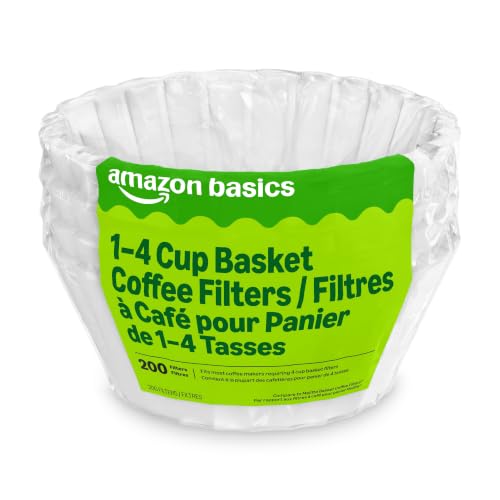
Amazon Basics 1-4 Cup Basket Coffee Filters
|
9.1/10 | Buy |
| Best Value |
 Rupert and Jeoffrey's 8-12 Cup Basket Coffee |
8.9/10 | Buy |
 Melitta #4 Unbleached Coffee Filters |
8.9/10 | Buy | |
| Best Budget |
 Amazon Basics 8-12 Cup Basket Coffee Filters |
8.6/10 | Buy |
 If You Care #4 Cone Coffee Filters |
8.6/10 | Buy | |
 If You Care Unbleached No. 2 Coffee Filters |
8.6/10 | Buy | |
 If You Care No. 4 Coffee Filters |
8.6/10 | Buy | |
| Best Premium |
 CAPMESSO K-Cup Paper Filters (300 Count) |
8.6/10 | Buy |
 VCCGY Large Basket Coffee Filters, 200 Count |
8.6/10 | Buy | |
 Piszvbej 100-Pack Unbleached 8-12 Cup Basket |
8.4/10 | Buy |
Amazon Basics 1-4 Cup Basket Coffee Filters
Designed for compact 1-4 cup automatic drip coffee makers, these Amazon Basics white basket filters provide clean sediment filtration and reliable fluted wall support for daily small-batch brewing. With ASTM D6868-11 commercial compostability and SFI certification, this 200-count pack delivers practical everyday value for small-pot coffee drinkers.
Pros
- Sized accurately for 1-4 cup basket drip coffee makers to prevent grounds overflow
- Certified to ASTM D6868-11 commercial composting standards and SFI certified (SFI-01675)
- Assembled in the USA from domestic and imported materials
- Generous 200-count pack delivers high daily economy for small-batch morning brewers
Cons
- Only fits 1-4 cup basket machines; incompatible with 8-12 cup brewers or cone-shaped drippers
- Commercial composting facilities accepting ASTM D6868-11 paper products may not be available in all municipal areas
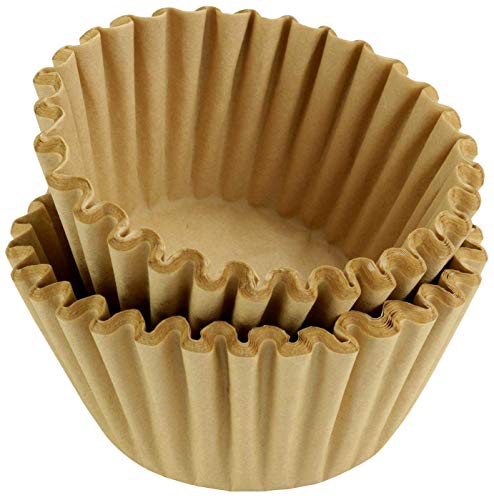
Rupert and Jeoffrey's 8-12 Cup Basket Coffee
Rupert and Jeoffrey's Trading Co. 8-12 Cup Basket Coffee Filters feature natural, unbleached biodegradable paper designed with sturdy fluted sides to prevent basket collapse. This 200-count pack removes bitter micro-fines and excess oils, offering reliable cup clarity and clean morning cleanup for standard drip coffee makers.
Pros
- Sturdy fluted side walls resist collapsing under water saturation to keep grounds out of your pot
- Made in the USA from renewable, biodegradable, and natural unbleached paper
- Filters out fine sediment and excess oils for a cleaner, smoother cup compared to metal mesh filters
- Generous 200-count quantity delivers dependable daily value for batch drip brewers
Cons
- Designed strictly for flat-bottom 8-12 cup baskets and will not fit cone drippers or single-serve brewers
- Unbleached paper may benefit from a quick hot water pre-rinse to prevent subtle dry paper taste with delicate light roasts
- Absorbs natural coffee oils, producing a lighter body that may not appeal to fans of French press extraction
Melitta #4 Unbleached Coffee Filters
Melitta #4 Unbleached Coffee Filters feature microfine flavor-enhancing perforations and burst-resistant double-crimped seams designed for clean, grit-free brewing in standard 8 to 12 cup cone coffee makers. This natural brown 3-pack is ideal for everyday drip brewers and pour-over enthusiasts seeking reliable, chlorine-free filtration at an exceptional household value.
Pros
- Burst-resistant double-crimped seams prevent tearing and grounds blowouts in the brew basket
- Microfine perforations allow aromatic coffee flavor to pass through while trapping bitter silt and sediment
- Universal #4 cone design fits standard 8-12 cup electric cone drip machines and manual pour-over drippers
- Certified BPI commercially compostable, FSC certified, kosher, gluten-free, and made in the USA
Cons
- Natural unbleached brown paper benefits from a quick hot water rinse prior to brewing to prevent subtle paper taste
- Engineered specifically for #4 cone coffee baskets and will not fit flat-bottom basket brewers or smaller #2 cones
- Compostability certification requires commercial or municipal composting facilities rather than standard backyard compost piles
Amazon Basics 8-12 Cup Basket Coffee Filters
Designed for standard 8-12 cup automatic drip machines, these Amazon Basics white basket filters provide dependable sediment filtration for a smooth, grit-free morning cup. Their industrially compostable, SFI-certified paper build delivers reliable daily batch brewing economy.
Pros
- Compatible with most standard 8-12 cup flat-bottom basket drip coffee makers
- Provides clean cup clarity by catching fine coffee silt and grounds
- SFI certified and meets ASTM D6868-11 industrial compostability standards
- Generous 200-count supply offers reliable everyday batch brewing economy
Cons
- Not compatible with cone-style drip makers, pour-over cones, or single-serve brewers
- Requires access to industrial composting facilities that may not exist in all communities
- Thin paper sheets must be separated carefully from the stack to avoid accidentally brewing with two filters
If You Care #4 Cone Coffee Filters
If You Care #4 Cone Shaped Unbleached Coffee Filters provide a totally chlorine-free, FSC-certified paper filtration option for morning drip coffee makers and manual pour-over drippers. This 100-count compostable pack delivers a clean, sediment-free extraction for freshly ground coffee lovers prioritizing eco-friendly morning routines.
Pros
- Totally chlorine-free (TCF) unbleached paper construction keeps brewing clean without chlorine bleaching
- FSC certified and all-natural compostable material makes morning cleanup environmentally responsible
- Standard #4 cone dimensions fit a wide selection of home drip coffee makers and manual pour-over cones
- Reliable mechanical crimping along seams helps prevent paper blowouts during brewing
Cons
- Only compatible with #4 cone-shaped brewers and will not fit basket-style flat-bottom coffee makers
- Unbleached brown paper benefits from a brief hot water pre-rinse to prevent potential paper taste
- Single-use paper filter format generates regular consumable waste compared to permanent metal mesh filters
If You Care Unbleached No. 2 Coffee Filters
If You Care FSC Unbleached No. 2 Coffee Filters provide a dependable, chlorine-free paper cone option for daily pour-over and drip brewing routines. Sized for standard number two drippers, this 100-count pack offers clean cup filtration and everyday value for eco-conscious coffee drinkers.
Pros
- Unbleached, chlorine-free paper construction prevents chemical residues during hot water extraction
- FSC certified paper materials support environmentally responsible forestry practices
- Accurate No. 2 cone sizing fits popular manual drippers and compact drip machines
- Durable crimped seams resist splitting under standard brewing temperatures
- 100-count pack offers practical multi-week value for everyday coffee drinkers
Cons
- Unbleached paper requires a thorough hot water pre-rinse before adding coffee grounds to avoid papery notes
- Sized strictly for No. 2 cone drippers and incompatible with No. 4 cones or flat-bottom basket brewers
- Single 100-count box may require frequent reordering in multi-drinker households
If You Care No. 4 Coffee Filters
These If You Care No. 4 coffee filters provide unbleached, chlorine-free filtration that preserves the true flavor profile of your coffee without chemical dyes. Designed for standard No. 4 cone drip machines and pour-over drippers, this 100-count compostable pack suits eco-conscious morning coffee drinkers.
Pros
- Chlorine-free and completely unbleached paper keeps synthetic bleaching agents away from your coffee
- Fully compostable paper provides an eco-friendly, low-waste disposal method alongside used grounds
- Standard No. 4 cone dimension fits a wide variety of automatic drip machines and manual pour-over cones
- Traps fine coffee grit and bitter oils to produce a clean cup with excellent flavor clarity
Cons
- Like most unbleached brown paper filters, pre-rinsing with hot water is recommended to wash away residual paper taste
- Designed strictly for cone-shaped drippers and will not fit flat-bottom basket-style coffee makers
- Cardboard packaging lacks an interior moisture seal, requiring dry pantry storage away from kitchen steam
CAPMESSO K-Cup Paper Filters (300 Count)
Designed for Keurig owners using refillable pods, these unbleached paper liners simplify morning cleanup and catch fine sediment for a smoother cup. They fit most standard single-serve reusable capsules without tearing or hindering water flow.
Pros
- Bleach-free paper leaves no chemical residue
- Effectively eliminates sediment and bitter oils
- Speeds up cleanup between consecutive brews
- Tear-resistant paper holds its shape well
Cons
- Not compatible with K-Carafe brewers
- Reusable pod baskets are not included
- Removes natural oils that some prefer
VCCGY Large Basket Coffee Filters, 200 Count
Designed for large drip brewers, these unbleached paper filters prevent grounds from slipping through without introducing chemical residues into your brew. The sturdy, compostable paper holds up well during saturation, making them practical for daily batch coffee preparation.
Pros
- Chemical-free and completely unbleached paper
- Fully biodegradable and compostable material
- Holds shape without disintegrating when wet
- Substantial 200-count supply
Cons
- Only fits large basket-style machines
- Incompatible with cone and pour-over drippers
Piszvbej 100-Pack Unbleached 8-12 Cup Basket
These Piszvbej unbleached paper basket filters are designed for Breville and standard 8 to 12 cup drip coffee makers, featuring high sidewalls to prevent basket collapse and grounds overflow. They provide dependable, tear-resistant filtration for morning drip coffee drinkers seeking a clean, sediment-free cup with quick cleanup.
Pros
- Tailored sizing fits Breville 12-cup coffee makers and standard 8 to 12 cup basket filter holders
- Unbleached, chlorine-free brown paper construction for natural filtration
- Tall fluted sidewalls prevent edge collapsing and coffee ground overflow
- Sturdy, tear-resistant paper integrity handles heavy, saturated grounds cleanly
Cons
- Unbleached paper may require a brief hot water rinse before brewing to remove subtle wood-fiber taste
- Designed exclusively for basket-style brewers and will not fit cone-shaped drip machines or pour-over drippers
- Packaging does not include a rigid storage container to protect paper pleats from warping in humid cupboards
The Truth About Coffee Filter Safety, Chemicals, and Brewing Health
Modern coffee filter paper is manufactured to rigorous food-contact standards, making it completely non-toxic and safe for daily brewing. Concerns regarding chemical toxicity in coffee filters almost always trace back to manufacturing practices from several decades ago. Today, regulatory oversight and consumer demand for cleaner kitchen products have transformed how wood pulp is refined, bleached, and formed into brewing liners. Understanding the actual materials, heat tolerance, and pulp chemistry in your coffee basket eliminates unwarranted health fears while helping you brew a cleaner cup.
The Evolution of Bleaching: Why Historical Dioxin Fears No Longer Apply
Anxiety over toxic coffee paper began in the late twentieth century when paper mills relied on elemental chlorine gas to whiten wood pulp. That legacy manufacturing method created unwanted chemical byproducts known as dioxins, which are persistent environmental pollutants capable of accumulating in tissue. When scientific studies in the late 1980s detected trace levels of dioxin in bleached paper products, international health agencies took notice. Public concern prompted coffee drinkers worldwide to reconsider whether their morning drip routine was introducing industrial toxins into their bodies.
Paper manufacturers responded to those findings by overhauling pulp processing across the industry. The paper manufacturing sector largely phased out elemental chlorine gas, transitioning instead to Elemental Chlorine Free (ECF) and Total Chlorine Free (TCF) whitening technologies. ECF bleaching utilizes chlorine dioxide instead of pure gas, an alteration that virtually eliminates dioxin formation beneath scientific detection limits. Meanwhile, TCF processing avoids all chlorine compounds, relying exclusively on oxygen, ozone, and hydrogen peroxide to brighten the fibers.
Because of these industrial reforms, white coffee filters sold on store shelves today present no meaningful dioxin risk to consumers. Regulatory testing standards ensure that any trace chemical presence remains far below conservative safety thresholds established for food-contact paper. When boiling water passes through modern bleached paper, it extracts soluble coffee flavors rather than harmful bleaching residues. The fear of dioxin poisoning from drip coffee has therefore become a historical footnote rather than a modern health hazard.
Bleached Versus Unbleached Paper: Chemical Purity and Taste Differences
Choosing between white paper filters and natural brown options represents a common dilemma for health-conscious brewers. Unbleached brown filters skip the chemical whitening stage altogether, preserving the natural color of wood pulp while minimizing industrial processing. Brands like If You Care and Melitta produce popular unbleached cone and basket filters crafted from raw pulp sourced from responsibly managed forests. Because these brown papers bypass whitening chemicals, many consumers assume they are inherently safer for everyday brewing.
Brown unbleached paper contains natural plant compounds called lignins, which are organic polymers that give wood its rigid structure and brown hue. When boiling water saturates raw unbleached paper that has not been rinsed, these residual lignins can release subtle woody off-flavors into coffee extractions. In contrast, oxygen-bleached white paper undergoes intensive washing that strips away these natural lignins, leaving pure, taste-neutral cellulose fibers behind. Consequently, white filters often deliver a cleaner sensory profile in light roasts where delicate floral notes matter most.
Neither paper option carries toxic chemical risks, so your choice ultimately hinges on environmental priorities and taste preferences. Oxygen-bleached filters provide flavor neutrality straight from the box, requiring minimal rinsing before you brew. Unbleached brown papers offer peace of mind for zero-bleach purists, but they benefit significantly from a thorough pre-rinse with hot water to wash away loose wood dust. Both formats meet rigorous food-grade criteria, ensuring that neither white nor brown paper will compromise your wellness.
Structural Integrity: Mechanical Crimping Versus Adhesives and Wet-Strength Resins
Another frequent concern centers on whether toxic glues or adhesives hold the seams of paper filters together. When submerged under a heavy slurry of boiling water and wet grounds, low-grade paper might easily tear along its edges. However, quality coffee filter manufacturers do not use synthetic adhesives or industrial glues to seal filter seams. Instead, they rely on mechanical crimping, a manufacturing process that uses high-pressure embossing wheels to interlock paper fibers along the seams.
Mechanical crimping creates a burst-resistant physical bond purely through mechanical friction and fiber interlocking. Brands like Melitta feature double-crimped edges designed specifically to maintain structural integrity under hot brewing conditions without relying on chemical bonding agents. Similarly, fluted basket filters, such as those made by Rupert and Jeoffrey’s Trading Co. or Amazon Basics, use woven creping to support filter sidewalls. This mechanical approach guarantees that no heat-sensitive glues can leach into your hot coffee carafe.
Standard paper products outside the kitchen often incorporate synthetic wet-strength resins to prevent disintegration when soaked. Food-grade coffee filters achieve wet tensile strength primarily through specialized pulp refining and mechanical creping rather than hazardous chemicals. Commercially certified compostable filters, such as those meeting ASTM D6868 standards, must prove that their structural components break down safely without persistent residues. As a result, the wet strength of standard coffee filters comes from safe engineering rather than hazardous additive chemistry.
Cardiovascular Health: How Paper Filters Trap Cholesterol-Raising Diterpenes
Far from introducing toxins into your cup, paper coffee filters actually provide a proven cardiovascular health benefit that metal and cloth filters cannot match. Coffee beans contain naturally occurring lipid compounds called diterpenes, primarily cafestol and kahweol, which reside inside aromatic coffee oils. Clinical research indicates that regular consumption of unfiltered coffee oils can significantly stimulate low-density lipoprotein, or LDL cholesterol, in the bloodstream. Brew methods such as French press, Turkish coffee, and boiled espresso allow these oily diterpenes to pass straight into the cup.
Paper filters act as an exceptionally tight barrier against these cholesterol-raising diterpene compounds. The dense cellulose matrix traps suspended micro-droplets of oil, binding cafestol and kahweol within paper fibers while letting water-soluble flavor compounds flow through. When deciding what coffee filter to use for daily brewing, health-conscious consumers often choose paper specifically to safeguard cardiovascular health. This lipid-capturing capability makes filtered drip coffee the brew method most frequently recommended by health professionals monitoring patient cholesterol levels.
Reusable stainless steel mesh filters and gold-tone baskets offer eco-friendly convenience, but their porous openings permit coffee oils and micro-fines to pass directly into your mug. While those oils provide a heavier mouthfeel and richer body, they also deliver the full dose of cafestol and kahweol present in the coffee dose. For anyone managing cardiovascular markers or following a low-cholesterol dietary protocol, disposable paper filters represent the safest brewing medium available. In this respect, paper actively protects your health against compounds naturally present in the coffee bean.
Safe Brewing Practices: Pre-Rinsing, Water Temperature, and Proper Seating
Even though modern paper filters are certified non-toxic, adopting proper brewing habits ensures optimal extraction quality and prevents accidental kitchen mishaps. Pre-rinsing your filter with hot water before adding coffee grounds is a foundational technique in specialty pour-over and drip preparation. While pre-rinsing is not required to wash away hazardous chemicals, it flushes out stray cellulose micro-dust and residual wood taste. Pouring hot water through empty paper also preheats the brewing vessel, helping maintain stable water temperature during extraction.
Seating the filter correctly inside the brew basket prevents sidewall collapse, which is the most frequent cause of messy overflows and grounds spilling into the carafe. For cone-shaped filters, folding along the embossed crimp lines helps the paper adhere closely to the conical brewer walls. Flat-bottom basket filters should be pressed gently into the base of the brew basket to ensure the fluted sidewalls remain upright during brewing. When filters collapse inward, water bypasses the coffee bed, creating scalding overflow hazards and uneven extraction.
Water temperature also plays a major role in both paper behavior and beverage flavor during the brewing process. Ideal brewing water typically sits between 195 and 205 degrees Fahrenheit, a range that extracts delicious flavor solids without scalding coffee grounds. Standard food-grade filter paper easily withstands these temperatures without degrading, melting, or releasing harmful vapors. Maintaining proper brewing practices protects your physical safety around boiling water while ensuring your coffee tastes crisp, sweet, and sediment-free.
Emergency Alternatives: Food-Safe Substitutes Versus Hazardous Household Materials
Running out of coffee filters unexpectedly before your first morning brew can tempt you to grab whatever paper products sit nearby in the kitchen pantry. However, improvising with non-food-grade household paper is where genuine chemical and physical safety hazards actually arise. Standard household paper towels, facial tissues, and decorative napkins are not manufactured under the strict food-contact regulations governing coffee filters. Many paper towels contain synthetic wet-strength binders, optical brightening agents, fragrances, and recycled industrial pulp that should never encounter boiling water.
Pouring boiling water through printed napkins or perfumed tissues can cause artificial dyes and synthetic fragrance oils to leach straight into your cup. Furthermore, regular paper towels often lack the burst resistance required for brewing, leading to sudden rips that dump boiling water and wet grounds across your countertop. When exploring emergency household coffee filter alternatives, you should only consider materials that are verified food-safe and heat-resistant. Clean unbleached cheesecloth, organic cotton fabric, or a fine stainless steel kitchen strainer provide far safer temporary brewing solutions.
If you must use a reusable cloth substitute in an emergency, boil it thoroughly in plain water beforehand to eliminate laundry detergent residues and fabric softeners. Never attempt to filter coffee through shop towels, bleached printer paper, air conditioning filters, or dryer sheets under any circumstances. Using unapproved paper goods introduces real chemical contaminants that purpose-built coffee filters are engineered to avoid. Sticking to dedicated coffee filters or verified food-safe fabrics guarantees that your morning cup remains pure and safe to drink.
Environmental Safety: Compostability and Disposal of Used Paper
Beyond human ingestion safety, eco-conscious consumers frequently assess the environmental toxicity of disposing of hundreds of paper filters each year. Fortunately, standard paper filters and spent coffee grounds rank among the most beneficial additions you can introduce to a home compost pile. Because coffee filters consist almost entirely of organic cellulose fibers, they decompose rapidly alongside nitrogen-rich coffee grounds in backyard compost environments. Brands such as If You Care, Melitta, and Amazon Basics highlight compostable designs that return harmlessly to the soil.
Third-party certifications provide verifiable proof that paper filters break down without releasing heavy metals or persistent toxins into surrounding ecosystems. Standards like ASTM D6868-11 and certifications from the Biodegradable Products Institute confirm that paper meets strict criteria for commercial composting facilities. Additionally, forest stewardship certifications, such as the Forest Stewardship Council (FSC) and Sustainable Forestry Initiative (SFI), ensure that virgin wood pulp is harvested from responsibly managed timberlands. These certifications demonstrate that reputable filter manufacturers prioritize ecological health across the entire product lifecycle.
Unbleached brown filters are especially well suited for backyard compost bins because they contain no chemical bleaching residues whatsoever. Tossing your morning filter and spent grounds into the compost bin enriches garden soil with organic carbon while diverting municipal landfill waste. Even oxygen-bleached filters decompose cleanly without leaving hazardous chemical residues in home gardens. As long as you avoid single-use plastic pods or synthetic non-woven mesh, paper-based brewing represents one of the most environmentally benign methods of making coffee.
Selecting Safe Filters for Your Brewer and Routine
Finding the right paper filter comes down to matching your specific machine geometry while selecting the material processing that aligns with your personal values. Automatic drip brewers with flat-bottom baskets, such as common 8-to-12 cup countertop machines, require fluted paper liners with sturdy sidewalls to avoid structural collapse. For these setups, products like Amazon Basics basket filters or Rupert and Jeoffrey’s unbleached liners provide reliable filtration that prevents sediment bypass. Pour-over drippers and cone-style machines, meanwhile, require precise sizing across number two, four, or six cones to avoid water bypassing the coffee bed.
If minimizing industrial processing remains your top priority, unbleached, totally chlorine-free cone filters from brands like If You Care or Melitta offer clean, peace-of-mind brewing. These unbleached papers use raw brown fibers and burst-resistant crimped seams that withstand the weight of heavy coffee beds without tearing. Single-serve pod users can also turn to bleach-free paper liners, such as CAPMESSO Keurig-compatible filters, to eliminate plastic waste while trapping muddy fines. No matter which size or brand you choose, verifying food-contact certifications ensures that the paper meets strict health and safety standards.
Pay close attention to how your chosen paper interacts with your everyday grinder settings and extraction speeds. Thicker paper stocks filter out virtually all micro-fines and diterpenes, producing an exceptionally bright, clear cup with sparkling acidity. Lighter paper weaves may allow slightly faster drawdown speeds, which can help prevent extraction stalling when grinding fine beans. By pairing an appropriately sized filter with your brewer and beans, you ensure delicious, sediment-free coffee without ever compromising on safety.
Modern coffee filter paper is entirely safe, non-toxic, and beneficial for daily coffee preparation. Historical concerns surrounding dioxins and chlorine bleaching have been thoroughly resolved through modern oxygen-based whitening and totally chlorine-free pulp processing. Furthermore, paper filters actively safeguard cardiovascular health by trapping cholesterol-elevating diterpenes that escape through metal mesh filters. Choosing certified food-grade paper liners, whether bright white or natural brown, allows you to enjoy every cup with complete confidence in its purity.
About the author
Peter Giuliano is a longtime specialty coffee professional, educator, researcher, and writer whose career spans barista work, roasting, cupping, coffee buying, training, and coffee science. With more than three decades of industry experience, he brings a research-driven perspective to brewing, extraction, sensory evaluation, and the factors that influence coffee quality.